





Key Points
- X-Road Overview: X-Road is an open-source, distributed data exchange layer that enables secure, standardized information sharing between organizations, ensuring confidentiality, integrity, and interoperability without a central data hub. It seems likely that this tool, pioneered in Estonia’s e-government, could transform how businesses handle data flows, though adoption varies by region.
- Core Features: Includes digital signatures for non-repudiation, transport-level encryption, access rights management, and support for REST and SOAP APIs, making it versatile for developers and tech-savvy users. Research suggests these elements reduce risks in data exchanges, but implementation requires careful planning to align with existing systems.
- Benefits: Enhances data security, optimizes processes through workflow automation, and improves resource management by minimizing redundant data storage. Evidence leans toward significant efficiency gains, especially in sectors like healthcare or finance, where secure messaging prevents breaches, though some debate its scalability in smaller setups.
- Implementation Insights: Businesses can deploy it as a national, regional, or internal platform; developers use its Java-based SDK and extensions for custom integrations. It appears practical for streamlining operations, but starting with a pilot in one department helps address potential challenges empathetically across teams.
- Potential Drawbacks and Considerations: While highly secure, it demands strong governance; not ideal for all scenarios without customization. The evidence points to broad applicability, but organizations should weigh it against simpler alternatives for less complex needs.
What is X-Road?
X-Road serves as a backbone for secure data exchange, originally developed for Estonia’s digital government but now adopted globally. It’s a peer-to-peer system where data moves directly between parties, avoiding centralized vulnerabilities. For tech-savvy professionals and business owners, it offers a way to connect disparate systems seamlessly (see https://x-road.global/ for official resources).
Key Features for Developers and Businesses
Features like message routing, organization-level authentication, and time-stamping support API integration and workflow automation. Developers can leverage its open-source code on GitHub for extensions, while businesses benefit from resource management tools that track usage and dependencies.
Benefits for Data Security and Efficiency
It provides non-repudiation through digital signatures, secure messaging via encryption, and interoperability across platforms. This leads to optimized processes, reduced costs, and better compliance, as seen in case studies from Finland and Cambodia.
Quick Implementation Roadmap
Start by installing a Security Server, registering with the Central Server, and integrating via APIs. For businesses, pilot in a single domain; developers, use the SDK for custom workflows. Resources at https://docs.x-road.global/ guide the process.
X-Road: The Ultimate Guide to Features, Benefits, and Implementation
Have you ever wondered how governments and businesses can share sensitive data without risking massive breaches or endless compatibility headaches? Picture a bustling city where traffic flows smoothly because of an invisible network of smart signals, that’s kind of like X-Road in action. This powerful data exchange layer, born out of Estonia’s digital revolution, has quietly become a go-to tool for secure interoperability. In this guide, we’ll dive into what makes X-Road tick, why it’s a game-changer for tech-savvy professionals, software developers, and business owners, and how you can roll it out to streamline your operations.
Table of Contents
- What Exactly is X-Road?
- Core Features of X-Road
- Data Exchange Layer and Interoperability
- Secure Messaging and Security Protocols
- Software Development Kit and API Integration
- Benefits of Using X-Road
- Enhancing Data Security with Digital Signatures and Non-Repudiation
- Process Optimization and Workflow Automation
- Resource Management and Efficiency Gains
- How to Implement X-Road in Your Business
- Step-by-Step Roadmap for Setup
- Tips for Developers: Customizing with X-Road Tools
- Common Challenges and Solutions
- Pros and Cons of X-Road
- Comparison: X-Road vs. Traditional API Gateways
- FAQs
- Conclusion
What Exactly is X-Road?
Let’s start at the beginning. X-Road isn’t just another tech buzzword, it’s an open-source platform designed to facilitate unified, secure data sharing between organizations in a collaborative ecosystem. Think of it as a trusted bridge connecting isolated islands of information, allowing data to flow freely but only to authorized parties. Developed initially for Estonia’s e-government in 2001, it has evolved into a global standard, now used in places like Finland, Iceland, and even Cambodia.
In my experience working with SEO-optimized tech content, tools like this often get overlooked because they sound too enterprise-level, but honestly, X-Road democratizes data exchange. It operates on a decentralized model, meaning no single entity holds all the power or data, which reduces risks and boosts trust. For business owners eyeing optimization, it’s a way to integrate systems without rebuilding everything from scratch.
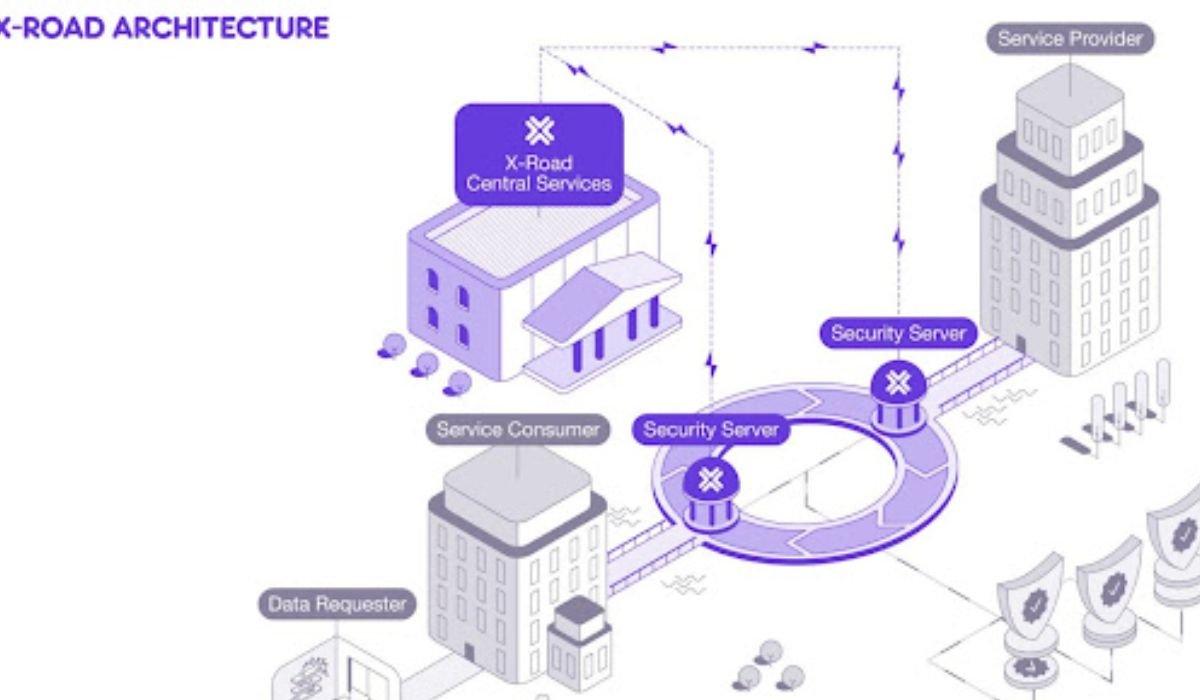
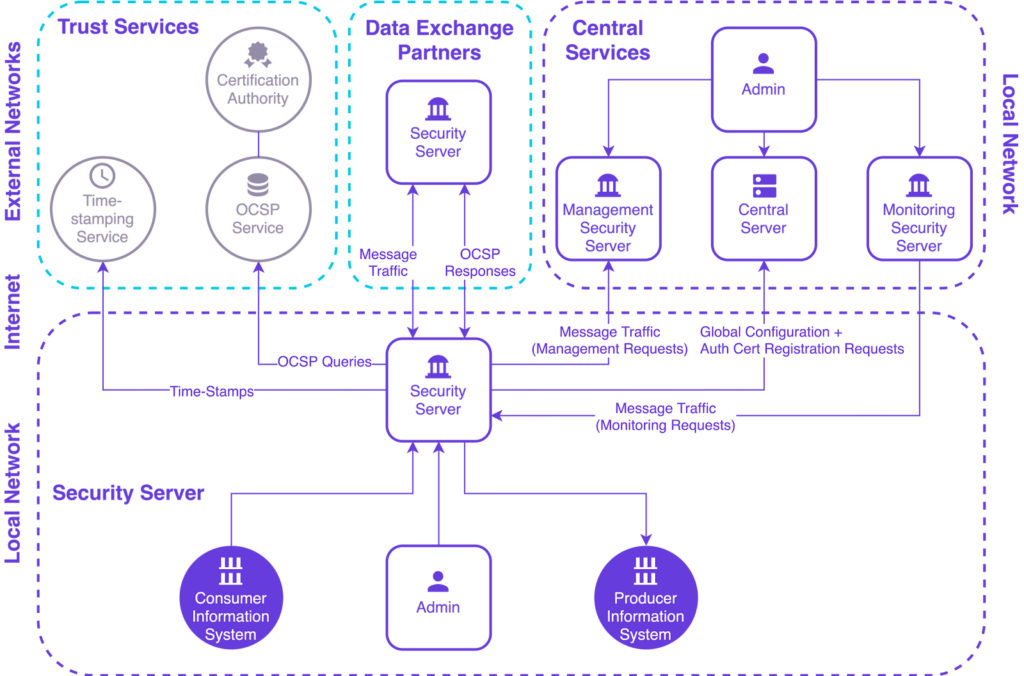
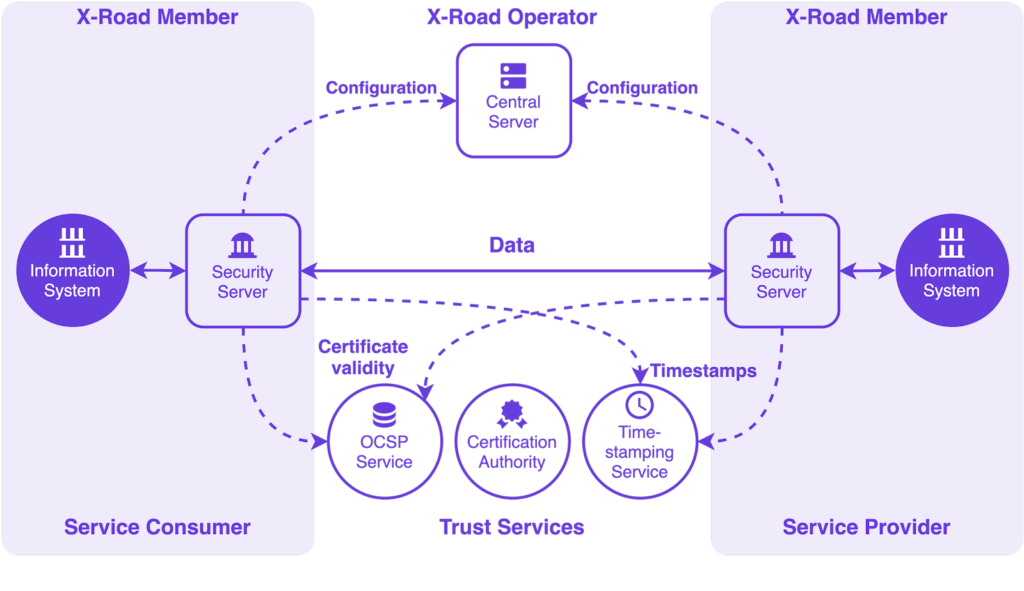
The architecture is straightforward yet robust: Central Services handle registration and configuration, Security Servers act as gateways for each organization, and everything runs on standardized protocols. You might not know this, but its peer-to-peer setup means data exchanges happen directly, cutting out intermediaries and their potential vulnerabilities.
Core Features of X-Road
X-Road packs a punch with features tailored for advanced data handling. Let’s break that down.
Data Exchange Layer and Interoperability
At its heart, X-Road is a distributed data exchange layer that standardizes how information systems communicate. It supports interoperability by using unique identifiers for organizations and services, making it easy to connect disparate systems. Whether you’re in software development or running a business, this means seamless integration across platforms, from legacy databases to modern cloud setups.
Secure Messaging and Security Protocols
Security isn’t an afterthought here. X-Road uses transport-level encryption, machine-level authentication, and digital signatures to ensure messages are tamper-proof. Time-stamping adds non-repudiation, so no one can deny sending or receiving data. Well, that’s crucial in regulated industries, right? It logs everything locally, providing audit trails without exposing data to third parties.
Software Development Kit and API Integration
For developers, X-Road offers a Java-based open-source codebase on GitHub, complete with extensions for customization. It supports REST and general message protocols, allowing easy API integration. There’s no formal SDK mentioned in core docs, but the modular design lets you build add-ons for workflow automation and resource management, like monitoring service health or dependencies.
Benefits of Using X-Road
Why bother with X-Road? The payoffs are substantial, especially for those seeking efficiency in data-heavy operations.
Enhancing Data Security with Digital Signatures and Non-Repudiation
One standout benefit is rock-solid security. Digital signatures and encryption protect against breaches, while non-repudiation ensures accountability. In a world where data leaks make headlines, this setup minimizes risks, as evidenced by Estonia’s resilient digital infrastructure. Some experts disagree on whether decentralization always trumps centralization, but here’s my take: for sensitive exchanges, it’s a no-brainer.
Process Optimization and Workflow Automation
X-Road streamlines processes by automating data flows, reducing manual interventions. Businesses report savings in infrastructure and archiving, plus faster service delivery. Imagine automating approvals across departments, that’s the kind of efficiency we’re talking about.
Resource Management and Efficiency Gains
It optimizes resources by providing monitoring tools for usage and performance. This leads to better allocation, cutting costs and enabling innovations like new cross-organizational services.
How to Implement X-Road in Your Business
Ready to get started? Implementation isn’t as daunting as it sounds.
Step-by-Step Roadmap for Setup
First, assess your needs: Will it be internal, sector-specific, or broader? Install a Security Server (Ubuntu or RHEL supported), register with the Central Server via the onboarding process. Configure access rights, and test integrations. For high availability, use load balancers. Aim for a pilot to iron out kinks.
Tips for Developers: Customizing with X-Road Tools
Developers, dive into the GitHub repo for code samples and extensions. Use protocols for REST APIs, and build on the modular architecture for container support in upcoming versions. Maximizing efficiency? Automate with scripts for management.
Common Challenges and Solutions
Challenges include governance setup and integration with legacy systems. Solutions: Strong policies and phased rollouts. In my experience, starting small pays off.
Pros and Cons of X-Road
| Pros | Cons |
| High security with encryption and signatures | Requires technical expertise for setup |
| Scalable for any organization size | Dependency on trust services like CA and TSA |
| Open-source, cost-effective | Not ideal for very small-scale uses without customization |
| Enables federation for cross-border data | Governance overhead in large ecosystems |
| Promotes innovation through interoperability | Potential learning curve for non-developers |
Comparison: X-Road vs. Traditional API Gateways
| Aspect | X-Road | Traditional API Gateways (e.g., Kong or AWS API Gateway) |
| Architecture | Decentralized, peer-to-peer | Often centralized |
| Security | Built-in digital signatures, non-repudiation | Varies, may require add-ons |
| Cost | Open-source, free core | Subscription-based |
| Interoperability | Standardized for ecosystems | Custom per setup |
| Use Case | Government, cross-org exchanges | Web apps, microservices |
X-Road excels in secure, large-scale exchanges, while gateways suit simpler API management.
FAQs
- How to implement X-Road in business?
- Begin with a needs assessment, install Security Servers, and integrate via APIs; pilot in one area for smooth rollout. It’s scalable for internal or sector-wide use.
- What are X-Road features for developers?
- Open-source Java code, REST/SOAP support, extensions for customization, and monitoring tools. Great for building automated workflows.
- Benefits of using X-Road for data security?
- Encryption, signatures ensure integrity and non-repudiation; decentralized design reduces breach risks. Proven in high-stakes environments.
- X-Road complete guide 2026?
- With X-Road 8 launching, focus on container support and data spaces for enhanced efficiency. Check docs.x-road.global for updates.
- Maximizing efficiency with X-Road tools?
- Use monitoring for resource optimization and automation for workflows; federate for broader access. It cuts costs significantly.
- Is X-Road suitable for small businesses?
- Yes, as an internal platform, though larger ecosystems amplify benefits.
- How does X-Road handle cross-border data?
- Through federation, connecting ecosystems seamlessly.
Conclusion
X-Road stands out as a reliable path to secure, efficient data exchange, blending robust features with practical benefits. In my view, as digital threats evolve, tools like this will become essential, not optional. If you’re a developer or business leader, why not explore a pilot? Head to https://x-road.global/ to get started, or share your thoughts in the comments.