






Preparing for a multi-day hiking adventure demands more than love for the outdoors. To truly enjoy and succeed on your journey, it’s essential to plan thoroughly, train effectively, and equip yourself with the proper knowledge and gear. For those seeking structured experiences, guided hiking adventures in Yosemite National Park can be a great way to explore iconic trails while learning from seasoned experts.
Taking the time to train your body, gather essential equipment, and learn navigation and safety techniques sets you up not just for enjoyable hikes but for a memorable adventure that prioritizes safety and environmental stewardship. This article provides a step-by-step guide to everything you need to consider before venturing into the wilderness for several days.
Physical Preparation
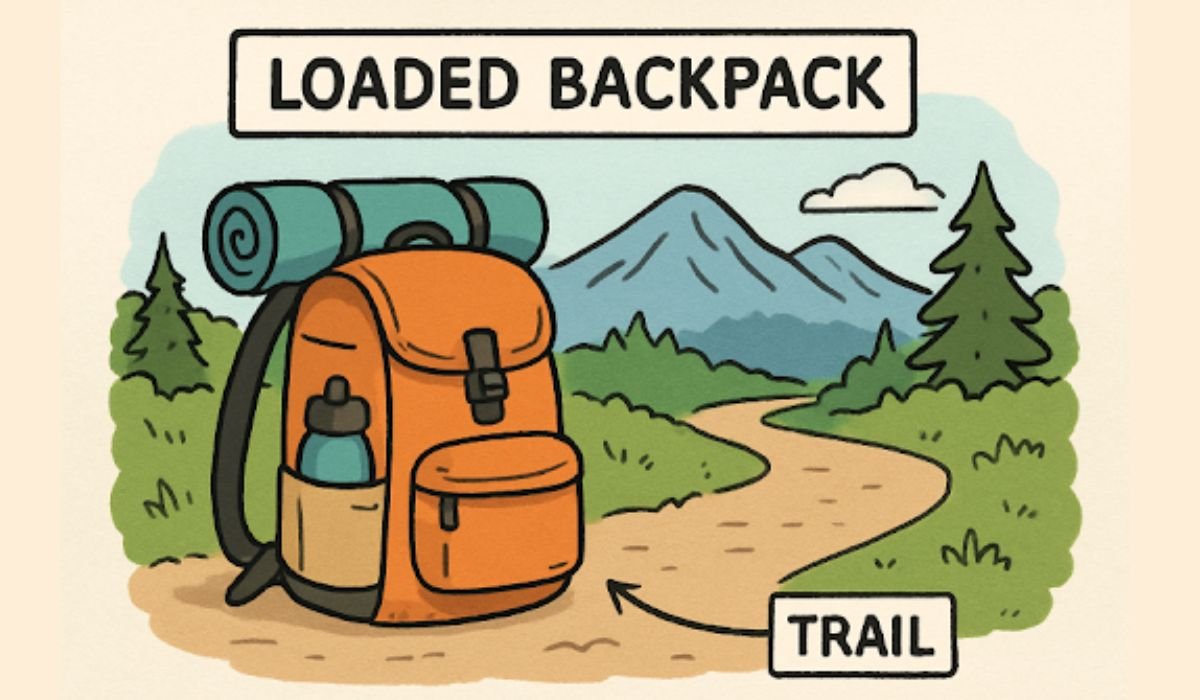
Multi-day hiking requires both cardiovascular and muscular endurance. Begin your physical training at least three months before your trip by integrating aerobic exercise, such as running, cycling, or swimming, with strength training focused on your core, legs, and back. Hike with a loaded backpack each week to acclimate your body to the extra weight and reduce the risk of injury when you hit the trail.
Consistency in your training routine is key. No matter your fitness level, steadily increasing your activity duration, intensity, and pack weight will build stamina. Resources such as REI’s backpacking checklist offer detailed tips and example workouts to help hikers prepare physically.
Gear Selection
Selecting dependable, lightweight gear ensures comfort on your journey and minimizes unnecessary fatigue. Start with a quality backpack designed for your torso length, offering adjustable support and enough capacity to hold your essentials. Prioritize footwear, as blisters and sore feet can quickly ruin any trip; break in your hiking boots on shorter treks before your adventure.
Your packing list should include a weather-appropriate sleeping bag, a durable tent, a compact stove, layered clothing, and essential survival tools. Do not forget rain gear, a headlamp with spare batteries, and a multi-tool. For tips on curating your list for efficiency and comfort, the REI backpacking checklist is a helpful resource used by seasoned hikers.
Nutrition and Hydration
Fueling your body with nutrient-rich, high-energy foods is just as essential as your physical training. Prepare a detailed meal plan that focuses on easy-to-pack foods and provides a balanced mix of carbohydrates, protein, and healthy fats. Options such as dehydrated meals, hearty oat mixes, nuts, seeds, and jerky keep energy levels high without adding much bulk.
Hydration should never be an afterthought. Carry a water purification system, such as a pump filter or chemical tablets, and regularly refill your bottles or reservoir whenever you have access to safe water sources. Plan your route so you know where resupply points are, and always have backup purification options in remote sections where streams may be dry.
READ ALSO: Antarvafna: Unveiling the Harmony of Adventure and Conservation
Navigation Skills
Even heavily used trails can become confusing in poor weather, at night, or if others have veered off-track. Basic map-and-compass skills, as well as proficiency with GPS devices, are crucial for backcountry travel. Practice reading topographical maps, identifying features, and using a compass to orient yourself before your trip.
Navigation apps like Gaia GPS or AllTrails can supplement, but not replace, traditional methods. Pack printed maps, a waterproof case, and spare batteries or a power bank for electronic devices. Mastery of these skills will keep your adventure on track and help you handle the unexpected confidently.
Safety Measures
Before departing, share your precise route and expected return time with a trusted contact. Review local regulations, potential hazards, and weather forecasts for your destination. Pack a comprehensive first aid kit, learn basic wilderness first aid, and make sure you understand how to handle injuries, hypothermia, heat exhaustion, or encounters with wildlife.
Layering your clothing keeps you prepared for sudden weather changes. A simple emergency shelter, whistle, and signaling mirror can be crucial in emergencies. Awareness and caution are the best tools for preventing accidents while hiking in remote environments.
Leave No Trace Principles
Stewardship of wild places preserves them for other adventurers. Commit to Leave No Trace principles by disposing of waste properly, packing out all trash, and minimizing campfire impact. Remain on marked trails to avoid damaging fragile ecosystems, and observe wildlife from a distance without feeding or disturbing them.
Make your campsite on durable surfaces, respect other visitors by keeping noise down, and leave nature as you found it. Adhering to these ethical guidelines protects the backcountry for generations of hikers.
Mental Preparation
Endurance on multi-day hikes isn’t only about the body. Prepare mentally by visualizing each stage of your journey, setting realistic expectations, and planning rest days if necessary. Mindfulness practices like breathing exercises, journaling, or pausing to appreciate your surroundings reduce stress and keep your spirits high during challenging moments.
Staying positive and adaptable helps you embrace the unpredictable elements of wilderness hiking, whether it’s a sudden downpour or a detour along the route. Focusing on the experience and lessons nature offers allows you to enjoy each step of the adventure.
Conclusion
Preparing thoroughly for a multi-day hiking adventure ensures you are physically, mentally, and logistically equipped to embrace all the wonders and challenges the wilderness presents. Prioritize training, brilliant gear selection, thoughtful meal and water planning, navigation skills, and safety. Respect for nature and mindfulness throughout your journey will reward you with a truly enriching, memorable experience on the trail.
YOU MAY ALSO LIKE: Chaleturi 2025: The Perfect Fusion of Nature, Comfort, and Adventure