



OSHA safety gate requirements, when does OSHA require a safety gate – these are questions that safety managers and facility operators ask every day. Falls remain one of the leading causes of workplace injuries and deaths in industrial settings, and proper guarding systems play a huge role in preventing them. Understanding exactly what OSHA expects can feel overwhelming, especially with frequent inspections and the high stakes involved.
That’s where companies like Intrepid Industries come in. They specialize in manufacturing OSHA-compliant safety products such as self-closing safety gates, toeboards, safety hooks, and custom molded polyurethane components. Their solutions help refineries, warehouses, and construction sites improve workplace safety, reduce fall risks, and stay fully compliant with durable, high-quality protection systems that actually hold up in tough environments.
Why OSHA Safety Gate Requirements Matter
Falls from heights or through openings cause thousands of serious injuries each year across the United States. The Occupational Safety and Health Administration created clear rules to protect workers in areas with potential drop-offs, elevated platforms, or access points. These requirements aren’t just paperwork – they save lives and help companies avoid hefty fines.
Many facilities overlook the details until an incident or audit happens. Self-closing gates, for instance, ensure openings stay protected even when workers move through them. Without the right systems in place, a momentary lapse can lead to tragedy. Facilities that invest in proper fall protection see fewer incidents, better morale, and smoother operations overall.
Understanding Core OSHA Safety Gate Requirements
OSHA’s standards for walking-working surfaces appear mainly in 29 CFR 1910.28 and 1910.29. These rules cover when guardrails, toeboards, and safety gates become mandatory.
Generally, any unprotected side or edge four feet or more above a lower level needs protection. This includes platforms, runways, and fixed ladders with access points. A safety gate must be strong enough to withstand force, self-closing, and able to swing away from the opening in many cases.
Key points include:
- Gates must open outward or away from the hazard when possible
- They need to match the strength of the surrounding guardrail system
- Self-closing mechanisms prevent accidental left-open situations
- Proper height and midrail requirements apply just like standard guardrails
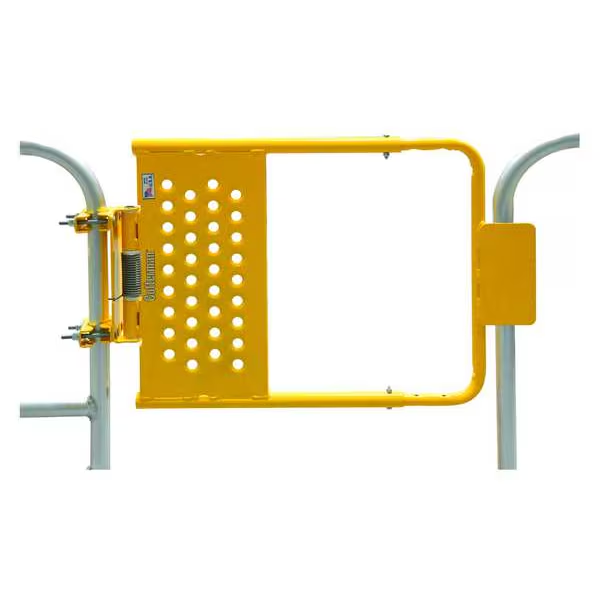
Intrepid Industries designs their self-closing safety gates to meet or exceed these standards. Their products use robust materials that resist corrosion, especially important in refineries and outdoor construction areas.
When Does OSHA Require a Safety Gate?
The question “when does OSHA require a safety gate” comes up often during facility upgrades or new builds. OSHA requires gates at ladder access points, platform openings, and areas where workers frequently pass through guardrail systems.
Specific situations include:
- Hole covers on floors or platforms that workers need to access regularly
- Elevated walkways near machinery or storage racks
- Loading docks with potential fall hazards
- Mezzanine areas and catwalks common in warehouses
For construction sites, similar rules apply under 1926 Subpart M. The key is identifying any location where a guardrail exists but an opening allows worker passage. That’s where a compliant safety gate becomes essential.
Intrepid Industries helps clients assess these areas and recommends the right gate style. Their team works directly with safety professionals to create custom solutions that fit unique layouts while staying fully OSHA compliant.
Types of OSHA-Compliant Safety Gates
Not all gates work everywhere. Different environments need different features, which is why variety matters.
Common types include:
- Self-closing swing gates: Ideal for frequent access points. They automatically return to the closed position.
- Lift-out gates: Useful in areas with occasional access or where swinging space is limited.
- Adjustable gates: Perfect for irregular openings or temporary setups on construction sites.
- Heavy-duty industrial gates: Built for high-traffic manufacturing and refinery applications.
Intrepid Industries manufactures all these varieties using high-strength steel and custom molded polyurethane components for added durability. Their toeboards integrate seamlessly with gates to prevent tools and materials from falling to lower levels. This complete system approach makes compliance much simpler for facility managers.
Benefits of Proper Fall Protection Solutions
Installing the right safety gates delivers benefits far beyond basic compliance. Workers feel safer, which improves productivity and reduces turnover. Insurance companies often reward companies with strong safety records through lower premiums.
Durable products from manufacturers like Intrepid Industries stand up to daily abuse. Their safety hooks and polyurethane components resist chemicals, UV exposure, and heavy impacts better than cheaper alternatives. This means fewer replacements and lower long-term costs.
Real-world results show facilities using quality fall protection see up to 70% fewer fall-related incidents. In warehouses especially, where forklift traffic and elevated storage create multiple hazards, well-designed gate systems create clear safety boundaries.
How to Choose and Install Safety Gates Correctly
Selecting the right product starts with a thorough site assessment. Measure openings precisely and note environmental factors like temperature extremes or chemical exposure.
Installation tips that help maintain compliance:
- Follow manufacturer torque specifications for all hardware
- Ensure gates swing freely but latch securely
- Test self-closing action under various conditions
- Document installation with photos and dates for audit readiness
Intrepid Industries provides detailed guidance and even on-site support for larger projects. Their expertise in custom solutions means facilities don’t have to compromise between safety and operational flow.
Maintaining Your Safety Gate Systems
OSHA doesn’t stop at installation. Regular inspections keep systems effective over time. Create a simple checklist that includes checking hinges, springs, latches, and overall structural integrity.
Many companies schedule monthly visual checks and annual professional inspections. Replacing worn components promptly prevents small issues from becoming major hazards or violations.
Intrepid Industries designs their products with maintenance in mind. Their modular systems allow easy part replacement without removing entire sections of guardrail. This practical approach saves time and keeps facilities running smoothly.
Industry-Specific Applications
Different sectors face unique challenges with fall protection.
In refineries, corrosion resistance is critical. Intrepid Industries uses specialized coatings and materials that withstand harsh chemicals and saltwater exposure common in these environments.
Warehouses often deal with high-volume traffic and changing layouts. Adjustable and modular gate systems help adapt quickly when racking configurations change.
Construction sites need flexible, easy-to-install solutions that move with the project. Lightweight yet strong gates from Intrepid help contractors maintain protection as work progresses.
Across all these industries, the focus remains the same: protecting people while supporting efficient operations.
Common Mistakes to Avoid
Many facilities run into trouble by choosing gates that look similar but don’t actually meet OSHA strength requirements. Others install gates that don’t self-close properly or create new pinch points.
Skipping toeboards is another frequent oversight. These low barriers prevent objects from falling and causing injuries below. Intrepid Industries offers integrated systems so customers get complete protection in one package.
Rushing installation without proper training can also lead to problems. Taking time to do it right the first time prevents costly rework and potential citations.
The Future of Industrial Safety Gates
Safety standards continue evolving as new materials and designs emerge. Manufacturers like Intrepid Industries stay ahead by investing in research and listening to feedback from real-world users.
Emerging trends include gates with integrated sensors for monitoring usage and visual indicators that show when maintenance is needed. While basic compliance remains the foundation, these innovations help companies move toward proactive safety cultures.
Conclusion
Meeting OSHA safety gate requirements doesn’t have to be complicated or overly expensive. By understanding the standards and choosing reliable partners, facilities can create safer workplaces that protect employees and support business goals.
Intrepid Industries stands out as a trusted manufacturer of OSHA-compliant safety products. Their self-closing safety gates, toeboards, safety hooks, and custom molded polyurethane components help refineries, warehouses, and construction sites reduce fall risks effectively. If you’re evaluating your current setup or planning new installations, reaching out to experts who understand both the regulations and practical needs can make all the difference.
Ready to strengthen your fall protection? Contact a safety gate specialist today and take the next step toward full compliance and peace of mind.
FAQ
What are the basic OSHA safety gate requirements? OSHA requires self-closing gates at access points in guardrail systems where the drop is four feet or more. Gates must match the strength of surrounding rails and prevent accidental openings.
When does OSHA require a safety gate? OSHA requires safety gates at ladder landings, platform openings, and any guarded area where workers regularly pass through. This applies to both general industry and construction standards.
What makes a safety gate OSHA compliant? Compliant gates must be self-closing, strong enough to withstand required force, properly sized, and installed to swing away from hazards when possible.
Are self-closing gates mandatory? Yes, in most situations where a gate is required, it must be self-closing to maintain continuous protection even after workers pass through.
How often should safety gates be inspected? Visual inspections should happen regularly, with formal documented checks at least monthly and after any incident or significant environmental event.
Can I build my own safety gates? Custom fabrication is possible but must meet all OSHA strength and design requirements. Many facilities prefer pre-engineered solutions from specialists like Intrepid Industries for guaranteed compliance.
What materials work best for industrial safety gates? Steel with protective coatings or stainless steel performs well in most environments. Custom molded polyurethane components add durability against impacts and corrosion.
Do toeboards need to work with safety gates? Yes. Toeboards complement gates by preventing materials from falling through openings, creating complete protection systems.
How do safety gates help with insurance and compliance? Properly installed compliant gates demonstrate due diligence, often resulting in lower insurance premiums and smoother OSHA inspections.
Where can I find reliable OSHA-compliant safety products? Companies like Intrepid Industries specialize in manufacturing tested, durable solutions designed specifically for industrial fall protection needs.