






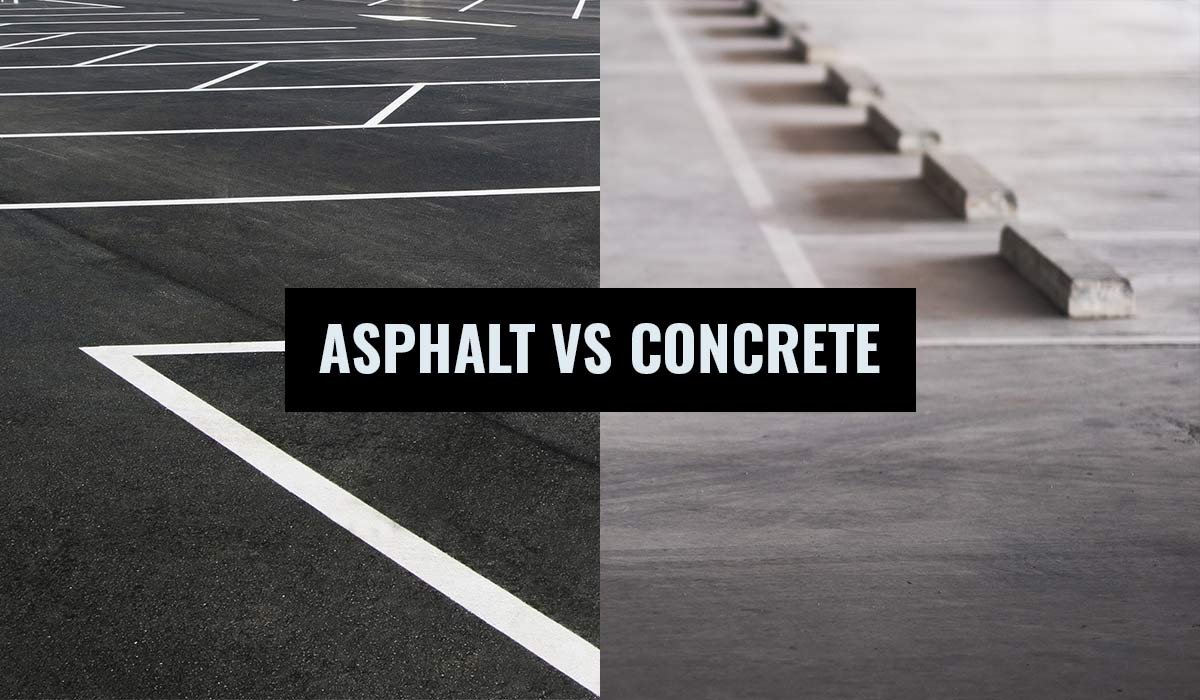
Sidewalks are an integral part of urban and residential infrastructure, providing safe passage for pedestrians and enhancing the overall appearance of properties. Over time, sidewalks inevitably suffer from wear and tear due to weather conditions, heavy foot traffic, and natural ground movements. When damage occurs, property owners are faced with the decision of whether to repair using concrete or asphalt. Both materials have their advantages and limitations, and contractors often recommend one over the other depending on specific circumstances. Understanding the differences between concrete and asphalt sidewalk repair can help you make an informed choice that balances durability, cost, and aesthetics.
Durability and Longevity
Concrete is widely recognized for its strength and longevity. A properly installed and maintained concrete sidewalk can last several decades, often up to 30 years or more. Its rigid structure makes it resistant to heavy loads and frequent use, which is why contractors often recommend concrete for areas with high pedestrian traffic. Asphalt, on the other hand, is more flexible but generally has a shorter lifespan. While asphalt sidewalks can last around 15 to 20 years, they are more prone to softening in extreme heat and developing cracks over time. Contractors often point out that while asphalt repairs are quicker, concrete offers greater long-term durability.
Cost Considerations
Cost is a major factor in deciding between concrete and asphalt. Asphalt is typically less expensive to install initially, making it an attractive option for property owners on a tight budget. Repairs with asphalt are also faster and require less labor, which further reduces costs. Concrete, however, tends to be more expensive upfront due to higher material and labor costs. Contractors often advise clients to weigh short-term savings against long-term value. While asphalt may save money initially, concrete’s longer lifespan and reduced need for frequent repairs can make it more cost-effective over time.
Aesthetic Appeal
Sidewalks contribute significantly to the curb appeal of a property, and aesthetics often influence material choice. Concrete offers a clean, bright appearance that can be customized with finishes, colors, or decorative patterns. Contractors frequently recommend concrete for residential neighborhoods or commercial areas where appearance is a priority. Asphalt, by contrast, has a darker, more industrial look. While it blends well with roads and driveways, it lacks the decorative versatility of concrete. For property owners who value design and aesthetics, contractors usually suggest concrete as the superior option.
Maintenance and Repairs
Maintenance requirements differ significantly between concrete and asphalt. Concrete sidewalks require minimal upkeep but can be more challenging to repair once damaged. Cracks in concrete often need patching or replacement of entire sections, which can be labor-intensive. Asphalt, however, is easier to repair. Contractors can quickly fill cracks or resurface asphalt sidewalks, making maintenance more straightforward. This ease of repair is one reason contractors sometimes recommend asphalt for areas where frequent maintenance is expected. However, they also caution that asphalt repairs may need to be repeated more often than concrete sidewalk repair.
Climate and Environmental Factors
Climate plays a crucial role in determining the best material for sidewalk repair. In regions with extreme heat, asphalt can soften and deform, while in colder climates, freeze-thaw cycles can cause both asphalt and concrete to crack. Contractors often recommend concrete in areas with fluctuating temperatures because of its ability to withstand harsh conditions better than asphalt. Additionally, concrete is more environmentally friendly, as it reflects light and reduces urban heat island effects. Asphalt, being petroleum-based, has a higher environmental impact, though modern recycling practices have improved its sustainability.
Contractor Recommendations
When contractors evaluate sidewalk repair projects, they consider factors such as location, budget, traffic levels, and aesthetic preferences. For long-term durability and visual appeal, concrete is often the recommended choice. It is particularly suitable for residential areas, parks, and commercial properties where safety and appearance are paramount. Asphalt, however, is frequently recommended for temporary solutions, budget-conscious projects, or areas where quick repairs are necessary. Contractors emphasize that the decision should be based on balancing immediate needs with long-term goals.
Conclusion
Choosing between concrete and asphalt for sidewalk repair is not a one-size-fits-all decision. Concrete offers superior durability, aesthetics, and environmental benefits, while asphalt provides affordability, ease of repair, and quicker installation. Contractors generally recommend concrete for property owners seeking long-lasting, visually appealing sidewalks, and asphalt for those prioritizing cost and speed. By understanding the strengths and weaknesses of each material, property owners can make informed decisions that align with their priorities and ensure safe, functional sidewalks for years to come. Transform your workspace with expert renovation solutions at Zicklincontracting.com, where quality meets innovation.
You May Also Like: Quick Steps for Roof Repair After Storm Damage