






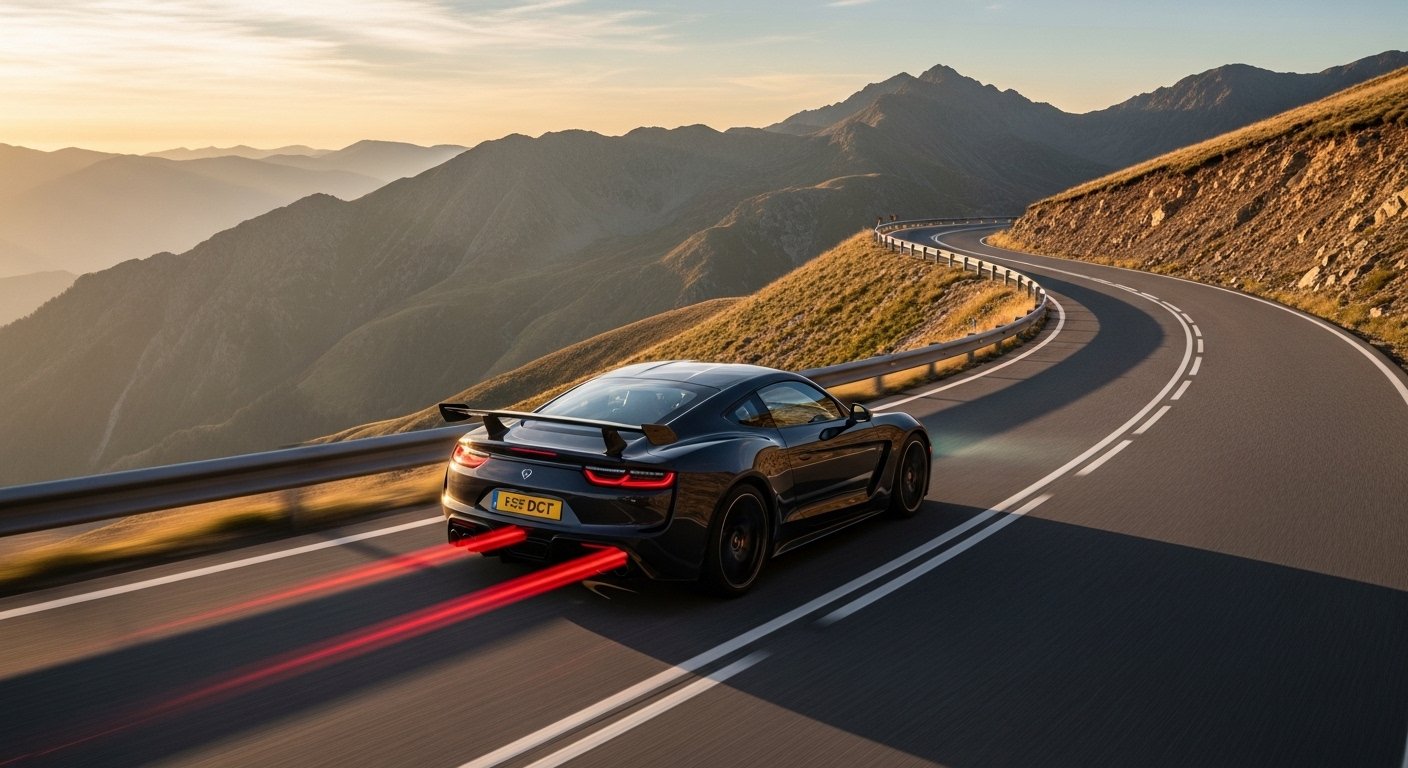
Imagine flooring the gas pedal in a sports car and feeling the gears click into place almost instantly, with zero hesitation or power loss. That smooth, lightning-quick sensation comes from gear DCT technology, and it is changing how we think about transmissions in modern vehicles. Whether you are a car enthusiast chasing thrills on the track, a prospective buyer shopping for your next daily driver, or a DIY mechanic curious about what hides under the hood, understanding gear DCT can help you make smarter choices and enjoy a more engaging drive.
Dual-clutch transmissions bridge the gap between the fun of a manual and the ease of an automatic. They deliver performance and efficiency without the usual trade-offs. In the sections ahead, we will break everything down step by step, using simple analogies and real-world examples so you can see exactly why gear DCT has become a favorite in everything from commuter cars to supercars.
What Exactly Is a Gear DCT?
A gear DCT, short for dual-clutch transmission, is an advanced automatic gearbox that uses two separate clutches instead of the single torque converter found in traditional automatics. Think of it as having two drivers sitting side by side in the same car: one handles the odd-numbered gears while the other manages the even ones. They hand off control so quickly that you barely notice the change.
Unlike older automatics that rely on a torque converter to transfer power through fluid, a gear DCT connects the engine directly to the wheels via these clutches. The result feels more responsive and connected, almost like a manual but without the need to press a clutch pedal yourself. Manufacturers such as Volkswagen (with its DSG), Porsche (PDK), and Hyundai/Kia have refined this technology over the years, making it available in everything from affordable hatchbacks to high-end sports cars.
The Inner Workings of a Dual-Clutch System
At the heart of every gear DCT sits a clever setup of two clutches working in tandem with pre-selected gears. Here is how it plays out in real time. While you cruise in second gear, the system already has third gear pre-selected and ready on the other clutch. The moment you accelerate, the first clutch simply opens and the second closes. The shift happens in a fraction of a second, often under 100 milliseconds, which is why gear DCT feels so seamless.
The transmission control unit (TCU) acts as the brain, constantly monitoring speed, throttle input, and even road conditions. It works alongside the mechatronics unit, a compact module that combines electronics and hydraulics to control the clutches and gear selectors. Paddle shifters on the steering wheel let you override the automatic mode for manual-like control when you want it.
Pre-selected gears in action This pre-selection is the real magic. Traditional automatics must wait until you demand a shift before they begin the process. Gear DCT anticipates your needs, so power delivery never interrupts. The system even adjusts for your driving style: gentle for commuting, aggressive for spirited runs.
Odd and Even Gear Sets: The Secret to Speed
Gear DCT splits the gears into two separate shafts. One shaft carries the odd gears (1st, 3rd, 5th, and sometimes 7th), while the other holds the even gears (2nd, 4th, 6th, and reverse). Each shaft has its own clutch. Because the next gear is always waiting on the unused shaft, gear synchronization happens in advance.
This layout eliminates the power loss you feel in a conventional automatic during shifts. For example, when you accelerate hard from a stop, the car launches in first gear on the odd shaft. As speed builds, second gear on the even shaft is already spinning at the perfect rpm. The handoff feels instantaneous.
Sports car fans love this setup because it lets them keep the engine in its power band longer. Many reviewers note that gear DCT technology gives cars like the Porsche 911 or certain Hyundai Veloster models that addictive, race-car snap between gears.
Wet vs. Dry Clutches: Which Is Better?
Not all gear DCT systems are identical. The biggest difference comes down to clutch type: wet or dry.
Wet clutches sit in a bath of transmission fluid that cools and lubricates them. They handle heat better, making them ideal for stop-and-go traffic or heavier vehicles. Most modern family cars and performance models use wet clutches for durability.
Dry clutches, on the other hand, run without fluid. They are lighter and more efficient, which improves fuel economy in lighter cars. However, they can overheat more easily during aggressive driving or heavy traffic, leading to faster wear.
Quick comparison
- Wet clutch: Smoother in daily driving, longer lifespan, slightly less efficient.
- Dry clutch: Sharper response, better fuel savings, needs more careful driving habits.
If you commute in crowded cities, a wet-clutch gear DCT will serve you better over time.
Why Gear DCT Shifts Faster Than Traditional Automatics
Traditional automatics use a torque converter and a single set of planetary gears. Shifting requires the system to release one clutch pack, fill another, and manage fluid pressure. That process takes time and can cause a slight dip in power.
Gear DCT skips all of that. With two clutches and pre-selected gears, it simply swaps which clutch is engaged. No fluid coupling means no slip and no delay. The difference is noticeable the first time you drive one: acceleration feels connected and urgent.
This speed advantage shines brightest in sports cars. Benefits of gear DCT in sports cars include quicker lap times and more consistent power delivery on track days. Drivers report feeling more in control because the car responds exactly when they expect it.
Benefits of Dual-Clutch Transmissions for Everyday and Performance Driving
Gear DCT offers clear advantages over both manuals and conventional automatics. Fuel efficiency often improves because the direct mechanical link wastes less energy than a torque converter. Shift quality is smoother at low speeds and sharper at high speeds.
For commuters, the automatic mode handles traffic without drama. For enthusiasts, paddle shifters deliver manual fun with zero missed shifts. Overall reliability has improved in recent years, especially with wet-clutch designs.
Many owners say gear DCT vs automatic reliability now favors the dual-clutch option in well-maintained modern vehicles. The systems are lighter too, which helps handling and performance.
How to Drive a Gear DCT in Traffic for Maximum Longevity
Stop-and-go driving can stress any transmission, but a few simple habits keep your gear DCT happy for hundreds of thousands of miles.
Avoid “creeping” for long distances by using the brake fully instead of riding the throttle. When you come to a complete stop, let the system rest in neutral or first gear rather than holding the car with light throttle.
Use manual mode on hills or when you need precise control. Most importantly, let the car warm up for a minute or two on cold mornings before aggressive driving. These small changes reduce heat buildup and clutch wear.
Gear DCT Maintenance Costs and Reliability Compared to Automatics
Maintenance for gear DCT is straightforward but important. Change the transmission fluid every 40,000 to 60,000 miles (wet systems) or follow the manufacturer’s schedule for dry clutches. The fluid is specialized, so expect to pay a bit more than for a regular automatic.
Gear DCT maintenance costs typically run $300 to $600 per service, depending on the car. Over time, this is comparable to traditional automatics, especially since DCT often needs fewer repairs when serviced properly.
Owners who follow the schedule report excellent long-term reliability. Regular fluid changes prevent the common issues that gave early DCTs a bad reputation.
Common Issues Like Shuddering and How to Prevent Them
One complaint you may hear is gear DCT shuddering, especially in older dry-clutch models during low-speed clutch engagement. The cause is usually heat buildup or worn clutch material.
Prevention is simple: follow the driving tips above, keep fluid fresh, and avoid excessive slipping in traffic. If shudder appears, a software update or clutch inspection often fixes it quickly. Modern wet-clutch systems have largely eliminated this problem through better cooling and electronics.
Wrapping It Up: Making the Most of Your Gear DCT
Gear DCT technology gives you the best of both worlds: the engagement of a manual and the convenience of an automatic, all wrapped in faster shifts and better efficiency. Whether you are buying your first performance car or simply want a more responsive daily driver, understanding how these systems work helps you drive smarter and keep repair bills low.
3 actionable tips to try today
- Warm up the transmission gently before hard acceleration.
- Use paddle shifters occasionally to stay familiar with manual control.
- Schedule fluid changes on time and use the exact fluid specified by your manufacturer.
By treating your gear DCT with a little care, you will enjoy crisp shifts and reliable performance for years to come.
Share your own experiences with dual-clutch transmissions in the comments below. Have you noticed the difference in traffic or on the highway? We would love to hear your stories.
You May Also Like: Unlocking the LYRIQ’s Range Secrets: Do The Driving Modes in Cadillac Lyriq Offer Different Ranges or Battery Usages?
FAQs
What does gear DCT stand for and how is it different from a regular automatic?
Gear DCT stands for dual-clutch transmission. It uses two clutches and pre-selected gears instead of a torque converter, delivering faster shifts and a more direct feel.
Are gear DCT systems reliable for daily commuting?
Yes, especially modern wet-clutch versions. With proper maintenance, they often match or exceed the reliability of traditional automatics.
How do I drive a gear DCT in traffic without causing damage?
Come to full stops, avoid creeping with light throttle, and let the car warm up before aggressive driving.
What causes gear DCT shuddering and can it be fixed?
Shuddering usually comes from heat or clutch wear. Fresh fluid and updated software solve most cases quickly.
Do all sports cars use gear DCT technology now?
Many do because of the performance edge. Benefits of gear DCT in sports cars include quicker acceleration and precise control.
How much do gear DCT maintenance costs run compared to regular automatics?
Expect similar or slightly higher costs, mainly for specialized fluid changes every 40,000 to 60,000 miles.
Should I choose a wet or dry clutch gear DCT?
Wet clutches suit traffic and longevity better, while dry clutches offer sharper efficiency in lighter cars driven gently.