





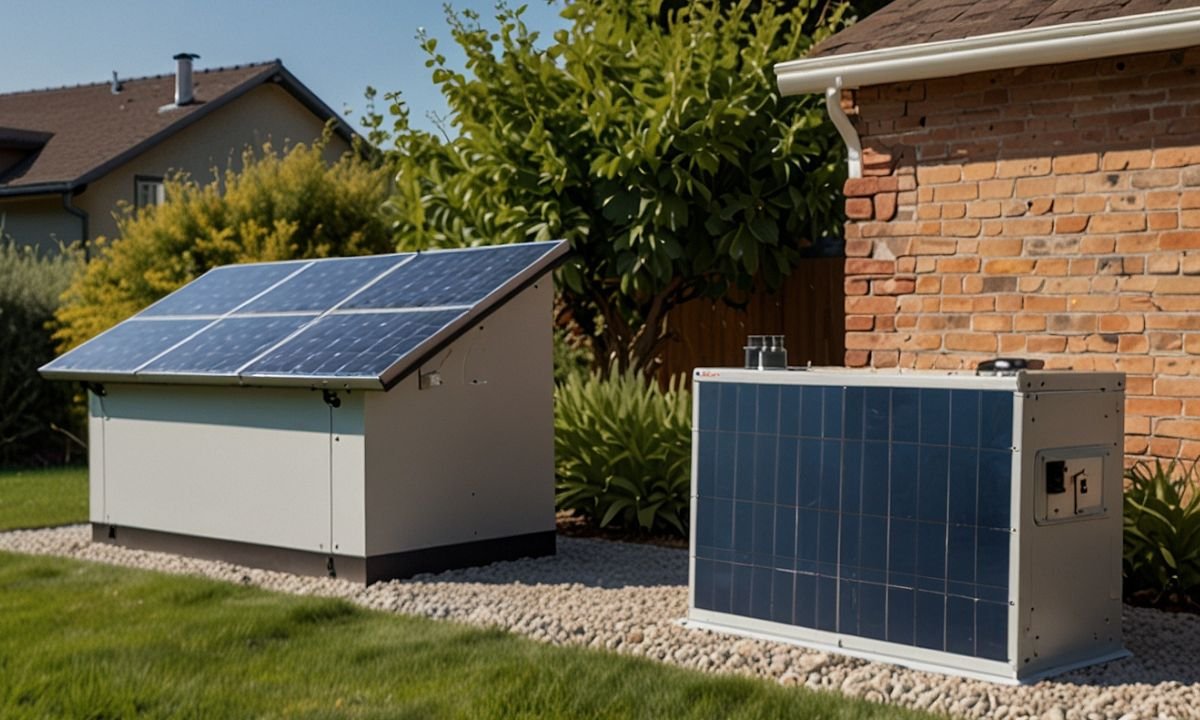
Solar panels cut energy bills, but many homes still rely on the grid when the sun goes down. A solar battery backup system changes that by storing extra solar power for use whenever you need it. Instead of sending all surplus power back to the utility, you keep it on-site and gain more control over your energy use.Homeowners use solar batteries to keep lights, refrigerators, Wi-Fi, and essential devices running during outages. They also use stored power during peak-rate hours to avoid high utility charges. As storms, heat waves, and grid stress increase in many regions, backup power offers peace of mind and predictable energy costs.This guide explains the benefits of solar battery backup for energy independence, how to choose the right system, what to expect during installation, and what modern whole-home solutions like Anker SOLIX can offer for reliable, flexible home backup.
Benefits of Solar Battery Backup for Energy Independence
Reduce Grid Dependence and Power Outages
Solar battery backup gives your home its own energy reserve, so you rely less on the grid. When solar panels produce more electricity than your home uses, the battery stores that extra power instead of sending it all back to the utility. Later, when clouds, night, or outages hit, the battery steps in.During a grid failure, a properly designed system can detect the outage and switch to battery power in seconds. Critical loads like lights, medical devices, internet, and security systems keep running. In many systems, solar panels keep charging the battery during daylight, extending backup time.This setup reduces anxiety about blackouts, especially in areas with aging infrastructure or severe weather. Over time, you can size and configure the system to cover more circuits or even the whole home, moving closer to real energy independence from the utility grid.
Lower Electricity Bills and Maximize Solar Use
A solar battery backup system helps you capture and use more of the energy your panels produce. Without a battery, excess solar often goes back to the grid at low credit rates. With a battery, you store that energy and use it later when grid electricity costs the most.Many utilities charge higher rates during peak hours. Smart batteries can discharge automatically during these periods, so you buy less power at premium prices. Some systems also support “time-of-use” optimization, charging when rates are low and discharging when rates are high.This strategy lowers your monthly bill while increasing your self-consumption of solar power. You get more value from your panels, and your payback period can shorten. Instead of viewing solar as a daytime-only benefit, the battery turns it into a 24/7 resource that works with your usage patterns and utility pricing.
How to Choose the Best Solar Battery Backup System
Battery Capacity, Power Output, and Efficiency
Start by matching battery capacity to your energy needs. Capacity, measured in kilowatt-hours (kWh), tells you how much energy the battery can store. Estimate how many kWh you use daily and decide whether you want to back up only essentials or most of the house.Next, check power output, measured in kilowatts (kW). This shows how many devices the system can run at once. High-draw appliances like HVAC systems, electric ovens, and pumps require more power. A system with higher continuous and surge output can handle more demanding loads without tripping.Efficiency also matters. Round-trip efficiency shows how much energy you get back after charging and discharging. Higher efficiency means less loss and lower long-term costs. Review the battery chemistry as well; modern lithium iron phosphate (LFP) batteries often provide long cycle life, better safety, and stable performance. Balance capacity, output, and efficiency with your budget and backup goals.
Scalability and Smart Energy Management Features
Choose a solar battery system that can grow with your needs. Scalability lets you add more battery modules later as your home, family, or energy use changes. Many modern systems support stacking multiple units to expand both capacity and power output without a full redesign, making them ideal for reliable battery power backup for home solutions.Smart energy management features make the system more effective and easier to use. Look for app-based monitoring that shows real-time solar production, battery state of charge, and home consumption. This visibility helps you adjust behavior and understand savings.Advanced systems offer modes like self-consption, time-of-use optimization, and backup priority. They can automatically charge before a storm if severe weather is forecast and shift loads intelligently during outages. Integration with smart home devices and backup generators can further enhance reliability. These features move your system from basic storage to a flexible, intelligent energy platform.
Conclusion
Solar battery backup turns a standard solar array into a powerful home energy system that works day and night. By storing surplus solar power, you gain protection against outages, reduce dependence on the grid, and cut electricity costs through smarter use of your own energy.Choosing the right system involves balancing capacity, power output, smart features, and scalability to match your home and goals. Professional design and installation ensure safe operation and reliable performance when you need backup most.Modern solutions like the Anker SOLIX whole-home backup power system show how far home storage has come, combining modular hardware with intelligent software. With the right setup, your home can stay powered through disruptions, use more clean energy, and move significantly closer to true energy independence.
READ ALSO: HMS Photovoltaik: The Ultimate Guide to Sustainable Solar Power