





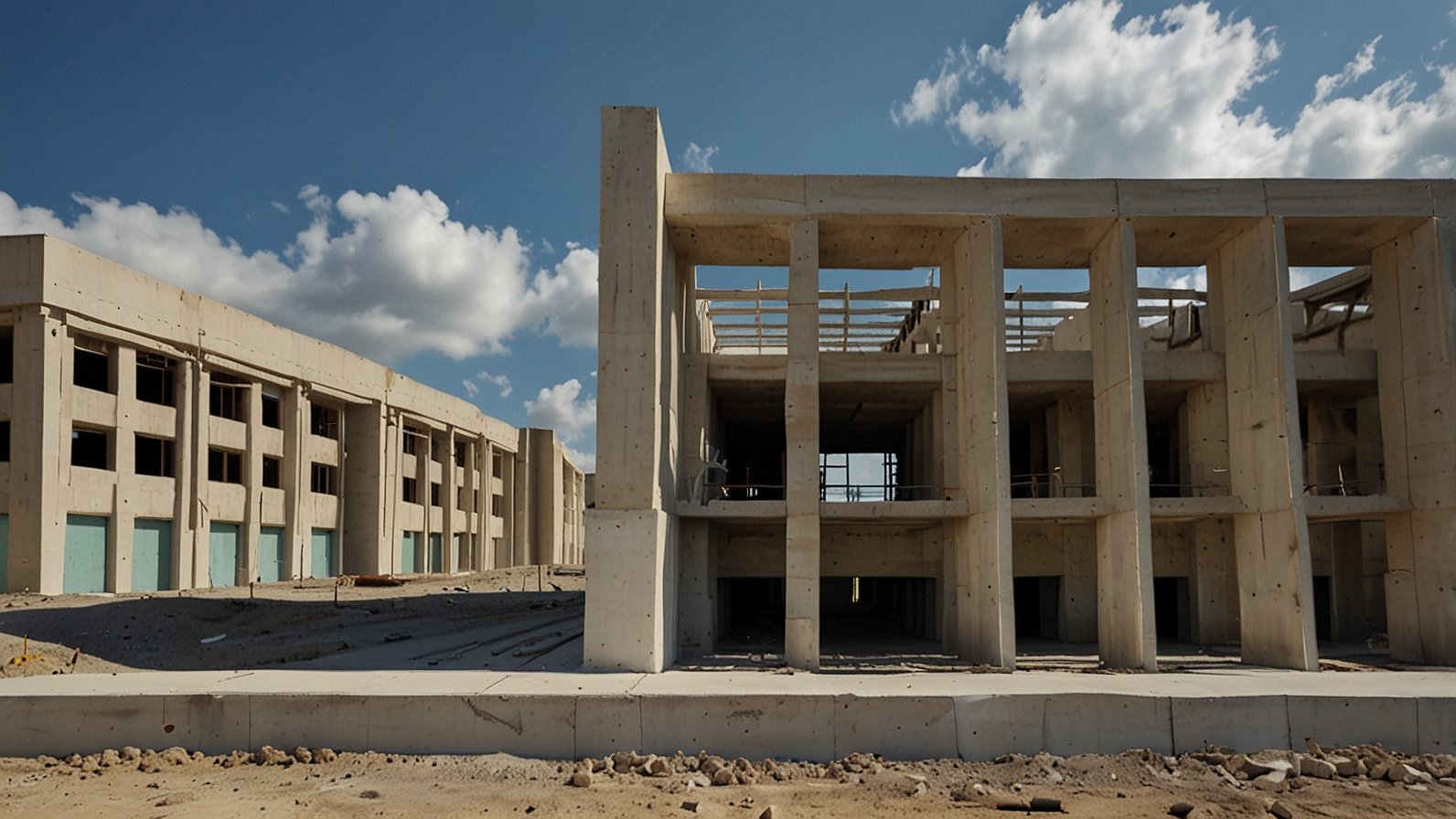
If you have driven past a large commercial building site recently, you may have noticed something different about the way structures go up today. Massive concrete panels arrive on flatbed trucks, get lifted by crane, and lock into place in hours rather than weeks. This is precast concrete, and it is quietly reshaping how buildings, bridges, and infrastructure get built across the country. The advantages of precast concrete are driving a major shift in the construction industry, and understanding why starts with understanding how it is made. Companies like precast and prestressed concrete producers manufacture structural components in climate-controlled facilities, then deliver them ready to install. The result is a construction method that is faster, stronger, and more predictable than traditional poured-in-place approaches.
What Sets Precast Apart from Traditional Concrete
Traditional concrete construction means building wooden forms on-site, pouring wet concrete into them, and then waiting for it to cure. Weather delays, temperature swings, and inconsistent mixing conditions can all affect the final product. A sudden rainstorm during a pour can compromise an entire section of work.
Precast flips that process. Beams, wall panels, columns, and structural slabs are poured into precision steel molds inside a factory. Temperature and humidity stay controlled throughout the curing process, which means every piece meets the same strength specifications. Once the components reach full strength, they are transported to the job site and assembled. Think of it like the difference between building furniture from raw lumber in your driveway versus ordering factory-built pieces that bolt together on arrival.
Faster Timelines, Fewer Disruptions
Speed is one of the most practical advantages of precast concrete for builders and developers. Because components are manufactured off-site while the foundation and site work happen simultaneously, the two processes run in parallel rather than in sequence. A project that might take twelve months with traditional concrete can often be completed in eight or nine months with precast.
That compressed schedule saves money in ways that go beyond labor hours. Shorter construction timelines mean fewer months of loan interest, earlier occupancy dates, and reduced exposure to material price fluctuations. For commercial developers working against lease commitments or seasonal deadlines, those saved months translate directly into revenue.
On-site disruption drops significantly too. Precast installation requires a smaller crew than traditional forming and pouring operations. There are fewer material deliveries, less scaffolding, and a fraction of the on-site waste. Neighbors, nearby businesses, and local traffic all benefit from the reduced footprint.
The Advantages of Precast Concrete in Extreme Conditions
Concrete is inherently strong, but the factory-controlled curing process gives precast components an edge that field-poured concrete struggles to match. Consistent water-to-cement ratios, precise aggregate blending, and optimized curing temperatures produce a denser, more uniform material. The result is higher compressive strength and better long-term durability.
That durability matters most where conditions are harshest. Precast concrete resists freeze-thaw cycles, which is critical in northern climates where water seeps into surface pores, freezes, and slowly cracks lesser materials from the inside out. It holds up against coastal salt exposure, chemical contact in industrial settings, and the constant vibration of heavy traffic on bridge decks and highway barriers.
Fire resistance is another area where precast outperforms many alternatives. Concrete does not burn, and precast wall panels and floor systems can provide fire ratings of up to four hours without any additional fireproofing treatments. For warehouses, parking structures, and multi-family residential buildings, that built-in protection simplifies code compliance and reduces insurance costs.
Design Flexibility Most People Do Not Expect
There is a common assumption that precast concrete means plain gray slabs. Modern precast manufacturing tells a very different story. Architectural precast panels can be cast with exposed aggregate finishes, acid-etched surfaces, integral color pigments, or thin brick and stone veneers embedded directly into the face of the panel. The range of textures, colors, and profiles available today rivals what traditional masonry can achieve, often at a lower installed cost.
Prestressed concrete takes that versatility further. By tensioning high-strength steel strands within the concrete before it cures, engineers can create longer spans with shallower beam depths. This means fewer interior columns, more open floor plans, and greater flexibility for future renovations. A parking garage built with prestressed double tees, for example, can span 60 feet or more without intermediate supports, creating wide, open bays that are easier to navigate and more efficient to operate.
A Smarter Long-Term Investment
The upfront cost of precast concrete can be comparable to or slightly higher than cast-in-place concrete on certain projects. But evaluating cost at the point of installation misses the bigger picture. Precast structures require less ongoing maintenance, have longer service lives, and retain their structural integrity with minimal intervention over decades.
The thermal mass of concrete also contributes to energy efficiency. Precast wall panels and insulated sandwich panels help regulate interior temperatures by absorbing heat during the day and releasing it slowly at night. In regions with significant temperature swings between day and night, this passive thermal regulation reduces the load on HVAC systems and lowers energy bills over the life of the building.
Sustainability on the Job Site and Beyond
Waste reduction is one of the less obvious advantages of precast concrete. Factory production uses reusable steel forms instead of single-use wooden formwork, and any excess material can be recycled back into the production process. On-site waste from precast installation is a fraction of what a traditional pour generates.
The U.S. precast concrete market was valued at $20.85 billion in 2024 and is projected to reach $36.45 billion by 2033, growing at a 6.4% annual rate. That growth is not happening by accident. As building codes tighten around energy performance and sustainability certifications like LEED become more common, precast concrete checks multiple boxes that other materials cannot. Its durability reduces replacement cycles, its thermal properties contribute to energy performance credits, and its local sourcing potential cuts transportation emissions when regional producers handle manufacturing.
Looking Ahead
The construction industry in 2026 faces real pressures. Steel and aluminum tariffs have pushed material costs to 40-year highs. Skilled labor remains scarce. Project abandonment rates jumped 88% year over year in 2025. In that environment, a construction method that reduces on-site labor needs, compresses schedules, and delivers consistent quality regardless of weather conditions is not just convenient. It is becoming essential.
Whether the project is a highway overpass, a multi-story parking structure, a stadium, or a distribution warehouse, the fundamentals remain the same. Controlled manufacturing produces a better product. Parallel scheduling saves time. Factory precision reduces waste and rework. Those are the practical reasons precast concrete continues to gain ground, and why the builders and developers who adopt it early tend to stay with it.
For anyone involved in planning, funding, or managing a construction project, understanding how precast works is no longer optional knowledge. It is the direction the industry is heading.
You May Also Like: How Luxury Homebuyers Are Redefining Modern Living