





In the world of makeup, foundation and contour often take center stage. But professional artists know that blush is the true game-changer. A well-placed flush of color can instantly brighten the complexion, restore dimension, and make the entire face look more awake and balanced. It’s often the final step that pulls everything together — and the first thing people notice.
Blush has evolved far beyond a simple pop of pink. Today’s formulas are designed to sculpt, lift, and enhance natural features in a way that feels fresh rather than overly dramatic.
How Blush Brings Balance Back to the Face
After applying base products, the face can sometimes look flat. Even the best foundation creates a smooth canvas by evening out tone, but in doing so, it can minimize natural color variation. That’s where blush comes in.
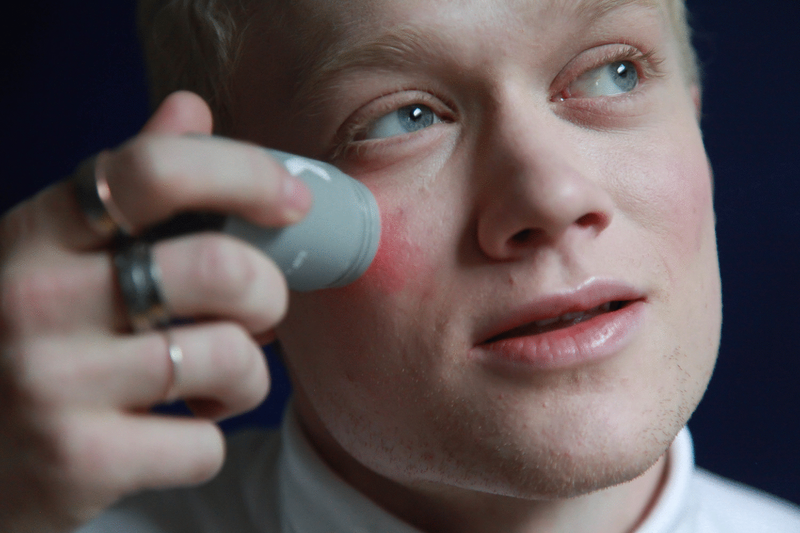
Blush reintroduces warmth and life to the skin. By adding a soft flush to the cheeks, it restores the natural gradient that foundation can mute. The result is a complexion that looks healthy and dimensional rather than one-dimensional.
Professional artists often layer blush strategically with other glow-enhancing products. When paired thoughtfully with highlighters, blush enhances luminosity without overpowering the face. The combination of color and light creates a lifted effect that looks both sculpted and effortless.
Beyond aesthetics, blush also influences perception. A subtle flush can make skin appear more vibrant and youthful, while deeper tones can add drama and definition. It’s this versatility that makes blush one of the most transformative steps in any makeup routine.
Placement Techniques for Different Face Shapes
Blush placement isn’t one-size-fits-all. The way it’s applied can subtly reshape and refine facial structure. Understanding how placement affects the overall look allows you to tailor the effect to your face shape.
For round faces, applying blush slightly higher on the cheekbones and blending upward toward the temples creates the illusion of lift and elongation. This technique draws the eye upward and adds structure.
For square faces, focusing blush on the apples of the cheeks and blending softly outward helps soften angular lines. A diffused finish maintains balance without adding sharpness.
Those with longer face shapes may prefer placing blush slightly more horizontally across the cheeks to create the appearance of width and balance. Meanwhile, heart-shaped faces often benefit from concentrating color on the outer cheeks to harmonize proportions.
Regardless of face shape, blending is key. Soft edges ensure the blush melts seamlessly into foundation and complements highlight rather than competing with it.
Ultimately, blush is transformative because it brings harmony back to the face. It restores dimension, enhances glow, and subtly shapes features — all with just a few well-placed strokes. When applied thoughtfully, blush doesn’t just add color; it elevates the entire look.
Read Also: HydraHD Facial: Your Skin’s Thirst-Quenching Revolution Starts Here