




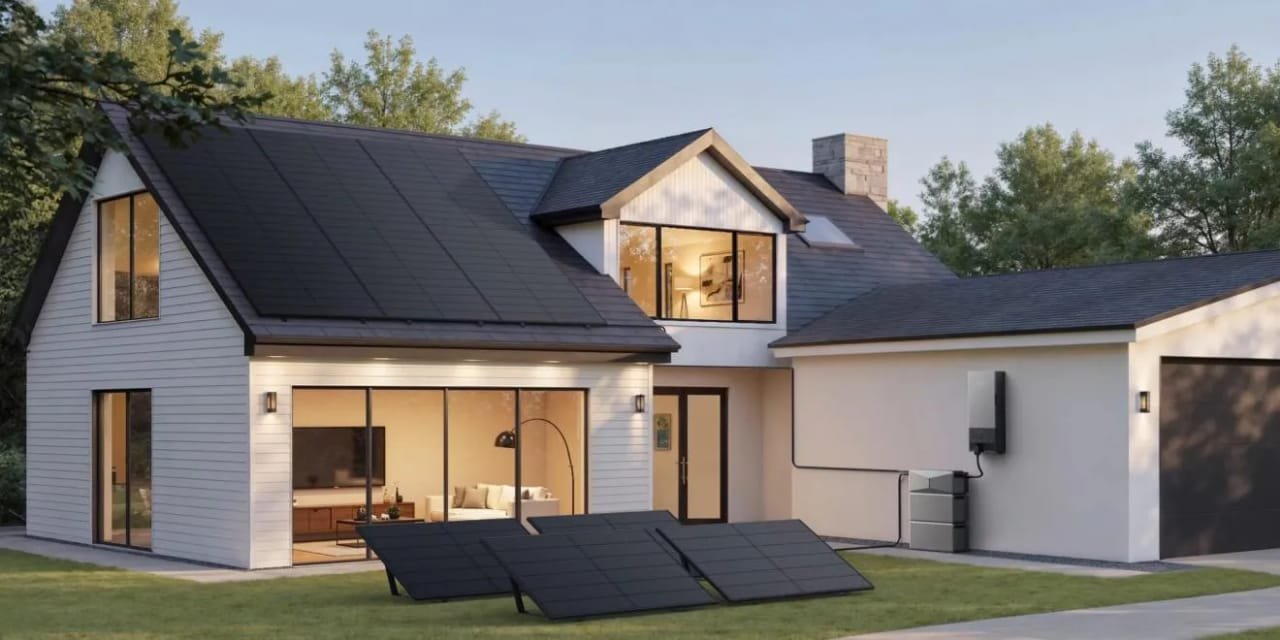
Home backup power keeps lights, fridges, and essential devices running when the grid goes down. Many homeowners now use battery backup systems and home generators together, but the way you charge them matters. Different charging methods affect runtime, costs, and long‑term reliability. Some setups rely on the grid, others lean on solar, and advanced systems mix several sources. Solutions like Anker SOLIX E10 offer unlimited runtime using three power sources—an expandable battery up to 90kWh, 27kW solar, and a generator extension. Understanding each method helps you design a backup system that fits your home.
Main Home Generator Charging Methods Explained
Home generator charging mainly uses three paths: grid power from wall outlets, renewable energy from solar panels, and traditional fuel‑powered generators. Each option has unique costs, strengths, and limitations.
Charging via Wall Outlet (Grid Power)
Charging a home backup generator or battery system from a wall outlet uses your existing grid connection. You plug the unit into a dedicated circuit and let the internal charger refill the battery. This method offers stable voltage, predictable costs, and easy scheduling with off‑peak rates. It works well when outages are rare, but you still want peace of mind. However, grid charging alone fails if a long outage hits before you recharge. Many homeowners pair wall charging with solar or a fuel generator for added resilience and flexibility.
Charging with Solar Panels
Solar panel charging uses sunlight to keep your home generators ready without constant fuel or grid dependence. Panels feed a charge controller, which safely directs DC power into your battery bank. Systems like Anker SOLIX E10 can work with large solar arrays, delivering up to 27kW of solar input for high energy production. Solar charging reduces long‑term energy costs, cuts emissions, and keeps power coming during extended blackouts. You need enough roof or yard space, a proper inverter, and battery capacity sized to your daily loads and climate.
Charging with Gas or Fuel Generators
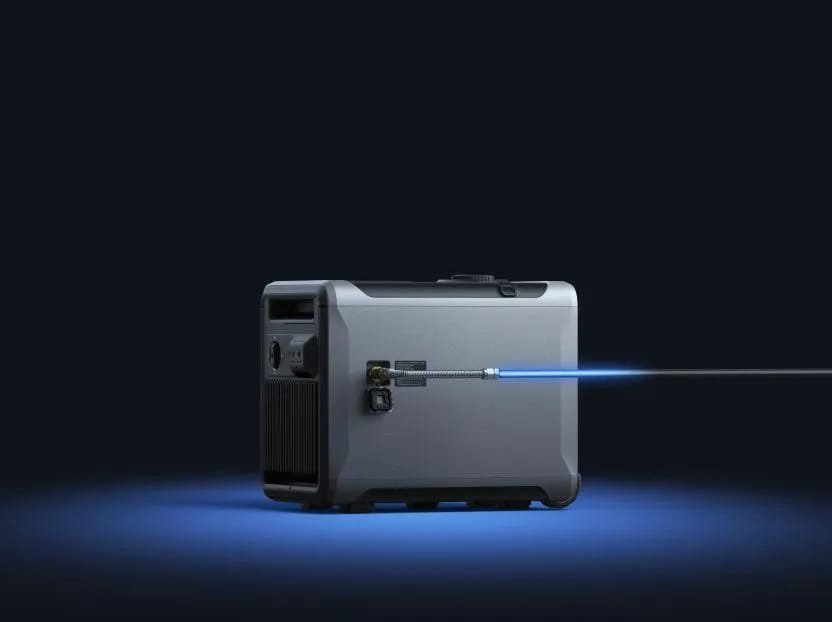
A gas, diesel, or propane generator can both power your home and recharge your battery system. You connect the generator through a transfer switch or compatible input, then run it at efficient loads. While the generator operates, it drives chargers that refill your batteries. This method works well during long storms or cloudy periods when solar falls short. Fuel generators, however, bring noise, exhaust, and ongoing fuel costs. Many hybrid setups use a smaller, efficient generator mainly as a backup charger, reducing runtime, fuel use, and maintenance needs.
Hybrid Charging Systems: Combining Multiple Power Sources
Hybrid charging systems blend grid, solar, and fuel generators to cover different scenarios. They extend runtime, reduce costs, and add redundancy so your backup power stays available during long outages.
Solar + Generator Backup for Continuous Power
A solar + generator hybrid setup gives your home strong resilience. During normal days, solar panels charge your batteries and power loads. When the sun fades or demand spikes, a fuel generator kicks in. Systems similar to Anker SOLIX E10 support high solar input alongside generator extension, letting you prioritize clean energy while keeping fuel as a backup. The generator runs only when needed, at efficient loads, which saves fuel and reduces noise. Batteries smooth the flow, absorb excess solar, and provide silent power between generator cycles.
Smart Systems with Automatic Transfer Switching
Smart hybrid systems use automatic transfer switches and energy management software to decide where power comes from. When the grid fails, the system instantly shifts to batteries or generator backup without user action. When solar production is high, it charges the batteries and powers loads; when levels drop, the system may start a connected generator or draw limited grid power. Features like load prioritization protect key devices first. This automation makes complex setups user‑friendly and keeps backup power stable, even for homeowners without technical experience.
Optimizing Charging Efficiency and Energy Use
To optimize charging efficiency, start by sizing batteries, solar, and generator capacity to real household loads. Use high‑efficiency inverters and MPPT solar charge controllers to capture more energy. Program charge schedules to favor cheap or free sources, such as midday solar or off‑peak grid rates. Smart systems like Anker SOLIX E10 help manage flows between battery, solar, and generator so each works within efficient ranges. Regular maintenance, firmware updates, and periodic testing ensure every component charges correctly, reduces losses, and delivers reliable backup power when outages occur.
Choosing the Right Charging Method for Your Home
Choosing the best charging method depends on budget, local climate, outage frequency, and how much of your home you want to power. Most households benefit from flexible, hybrid charging setups.
Factors to Consider: Cost, Efficiency, and Reliability
First, compare upfront costs for solar, batteries, wiring, and generators against long‑term savings from lower energy bills and fuel use. Next, weigh efficiency: solar with smart storage usually beats fuel‑only systems over time. Reliability matters most during severe outages, so consider how often storms or grid failures hit your area. Also review maintenance needs, noise limits, fuel availability, and utility incentives. Solutions like Anker SOLIX E10, with large battery capacity and multi‑source charging, can balance cost, efficiency, and reliability for many modern homes.
Matching Charging Methods to Your Power Needs
List essential circuits: fridge, lights, internet, medical devices, heating or cooling, and well pumps if you have them. Estimate daily energy use by checking appliance labels and utility bills. Homes with high loads or frequent outages suit larger battery banks and strong solar arrays, backed by a generator. Smaller homes or apartments may rely mainly on grid charging with modest solar input. Flexible systems like Anker SOLIX E10 scale up to 90kWh, so you can start small and expand your charging options as needs grow.
Conclusion
Home generator charging methods now range from simple wall outlets to advanced hybrid systems that blend solar, grid, and fuel. Each approach carries trade‑offs in cost, convenience, and resilience. Solar and smart batteries cut operating costs and keep power flowing quietly, while generators still play a key role during long, dark outages. Platforms like Anker SOLIX E10, with expandable battery storage, 27kW solar input, and generator extension, give homeowners flexible options. By understanding these charging paths and sizing them to real needs, you can build a reliable backup system that protects your home.