


Metal conveyor belts have become essential in modern manufacturing and processing facilities. These robust systems move everything from delicate food items to heavy industrial parts with reliability that plastic or fabric alternatives often cannot match. If you are exploring ways to upgrade your operations, understanding metal conveyor belts, especially wire mesh varieties, can transform how you handle materials.
Whether you run a food processing plant or an industrial facility, the right belt system improves efficiency, cuts downtime, and maintains strict hygiene standards. In this guide, we will explore everything you need to know about these versatile solutions.
What Are Metal Conveyor Belts?
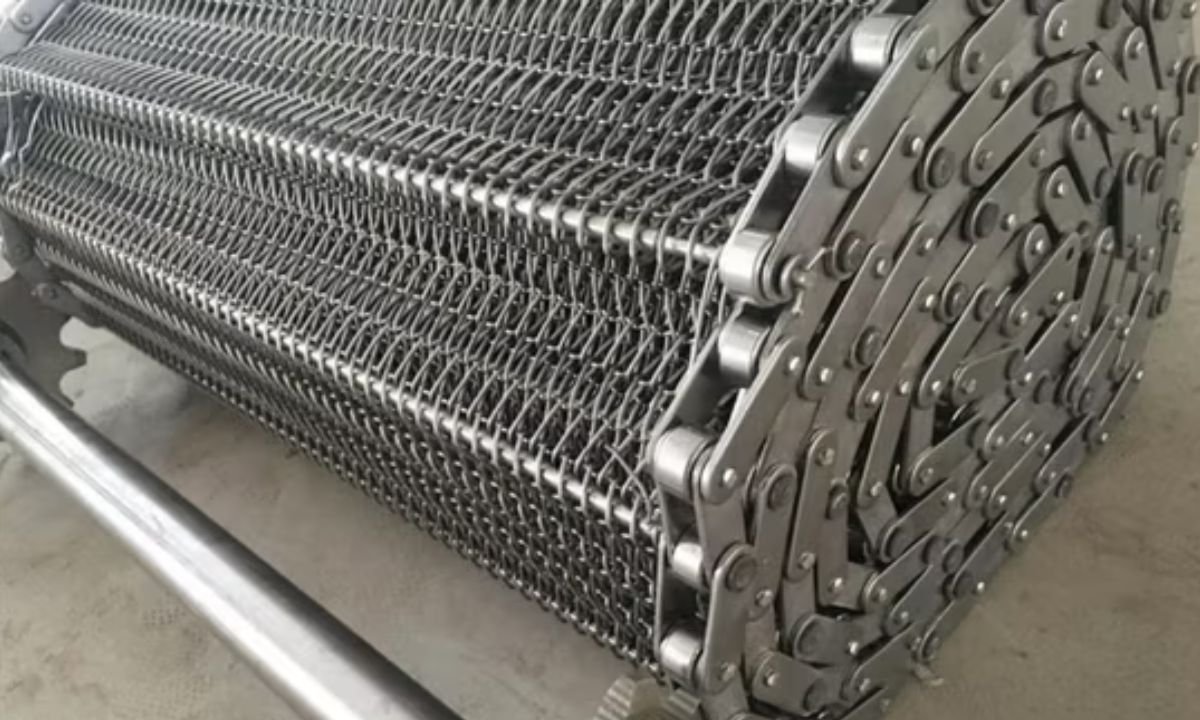
Metal conveyor belts consist of interconnected metal wires or mesh panels designed to transport products across production lines. Unlike traditional rubber or PVC belts, metal versions excel in demanding environments where heat, cold, moisture, or heavy loads come into play.
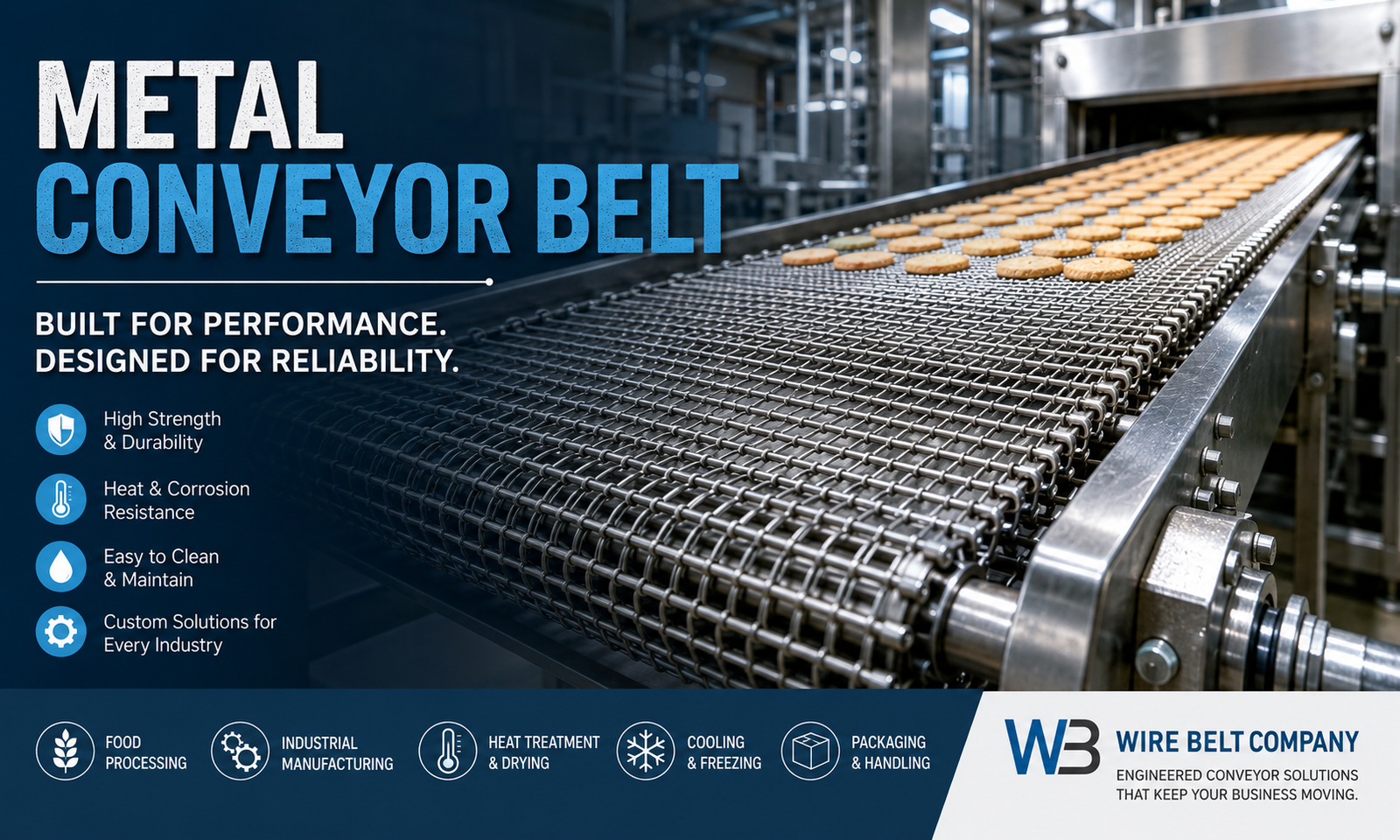
The most common type is the wire mesh conveyor belt. It features an open structure that allows excellent airflow, drainage, and easy cleaning. Manufacturers weave these belts from stainless steel or other alloys, creating patterns like flat wire, balanced spiral, or chain-driven designs.
These belts handle temperatures ranging from freezing conditions in food freezers to high-heat baking ovens. Their durability makes them ideal for industries that need consistent performance day after day.
Key Benefits of Using Metal Conveyor Belts
Businesses choose metal conveyor belts for several compelling reasons. First, they offer unmatched strength and longevity. A well-made metal belt can last years longer than fabric options, reducing replacement costs over time.
Hygiene stands out as another major advantage, particularly in food processing. The open mesh design prevents bacteria buildup and allows thorough washdowns. This feature helps facilities meet strict food safety regulations without constant effort.
Durability under extreme conditions is another plus. Metal belts resist tearing from sharp edges, handle heavy loads without stretching, and perform reliably in high-temperature settings. They also provide excellent product release, which minimizes waste and keeps lines running smoothly.
Energy efficiency improves too, as the open structure often requires less power to drive compared to solid belts. Many companies report lower maintenance needs and reduced downtime after switching to metal solutions.
Types of Metal Conveyor Belts and Wire Mesh Designs
Several styles of metal conveyor belts serve different needs. Here are some popular options:
- Flat-Flex Belts: These offer a highly open mesh for superior airflow and sanitation. They work great for enrobing, cooling, and general food handling.
- Flat Wire Belts: Provide a smooth, flat surface with good drainage. They suit heavier loads and applications needing stability.
- Balanced Spiral Belts: Deliver excellent tracking and strength for curved or straight runs in baking and heat-treating processes.
- Chain-Driven Mesh Belts: Add extra power transmission for very heavy or wide applications.
Wire mesh conveyor belt designs can be customized with different wire gauges, mesh openings, and edge treatments. This flexibility lets engineers match the belt precisely to your product size, weight, and process requirements.
Applications Across Industries
Metal conveyor belts shine in many sectors. In food processing, they transport everything from raw ingredients to finished baked goods, frozen foods, and packaged items. Their ability to withstand washdowns and temperature swings makes them perfect for meat, dairy, bakery, and snack production.
Industrial applications include automotive parts handling, metal stamping, glass manufacturing, and electronics assembly. In these settings, the belts manage sharp components, hot materials, or delicate items that require gentle handling.
Other common uses appear in pharmaceuticals, packaging, and even agriculture for sorting and processing. The versatility of wire mesh designs means one system can often adapt to multiple production stages.
Material Handling Solutions with Wire Mesh Conveyor Belts
Wire mesh conveyor belts excel at material handling because of their open construction. Air and liquids flow freely through the mesh, which supports cooling, drying, draining, or coating processes in a single pass.
For example, in a chocolate enrobing line, the open mesh lets excess coating drip away while keeping products stable. In freezing tunnels, cold air circulates efficiently around products for faster, more uniform results.
These belts also integrate well with other equipment. You can add flights, side guards, or transfer plates to create complete material handling systems tailored to your facility layout.
Spotlight on Wire Belt Company: Experts in Custom Solutions
When it comes to reliable metal conveyor belts, Wire Belt Company stands out as a leader. This family-owned manufacturer has decades of experience designing, producing, and installing specialized conveyor systems, particularly for food processing and industrial applications.
Wire Belt Company offers popular lines like Flat-Flex and Compact-Grid belts. These stainless steel solutions emphasize hygiene, strength, and ease of maintenance. Their engineering team works closely with customers to create custom belts that fit exact production needs.
Beyond manufacturing, they provide comprehensive support. This includes on-site belt surveys, technical assistance, training programs, and maintenance tools. Their proactive approach helps businesses extend equipment life, minimize unexpected breakdowns, and keep production lines optimized.
Many companies report noticeable improvements in efficiency and reduced downtime after partnering with Wire Belt Company. Their focus on quality and customer service makes them a trusted choice for facilities that cannot afford interruptions.
How to Choose the Right Metal Conveyor Belt
Selecting the perfect belt requires considering several factors:
- Product Characteristics: Size, weight, temperature sensitivity, and fragility.
- Operating Environment: Temperature range, moisture levels, chemical exposure.
- Speed and Load Requirements: Line speed and daily throughput.
- Sanitation Needs: Frequency of cleaning and regulatory standards.
- Facility Layout: Straight runs, curves, inclines, or transfers.
Working with an experienced supplier like Wire Belt Company ensures you get expert guidance. They can recommend the best wire mesh design and provide samples for testing in your actual conditions.
Installation, Maintenance, and Best Practices
Proper installation sets the foundation for long-term performance. Align frames carefully, check sprocket engagement, and tension the belt according to manufacturer specifications.
Routine maintenance keeps things running smoothly. Regular inspections for wear, cleaning debris from the mesh, and lubricating drive components prevent most issues. Many metal belts allow easy repairs on-site, which reduces downtime compared to full replacements.
Training your team on proper handling and troubleshooting pays dividends. Suppliers often offer resources and tools that simplify these tasks and extend belt life significantly.
Future Trends in Metal Conveyor Technology
The industry continues evolving with smarter designs. Enhanced hygiene features, energy-efficient materials, and IoT monitoring for predictive maintenance are gaining traction. Custom automation integration also helps facilities handle higher volumes with less labor.
Sustainability plays a bigger role too. Durable metal belts reduce waste from frequent replacements, and many manufacturers focus on recyclable materials and efficient production processes.
Conclusion
Metal conveyor belts, particularly wire mesh varieties, deliver reliable, hygienic, and efficient material handling solutions for demanding applications. From food processing lines to heavy industrial settings, they help businesses maintain quality while boosting productivity.
If you want to improve your operations, consider reaching out to specialists who understand your unique challenges. Investing in the right system today can save significant time and money down the road. Ready to upgrade your material handling? Explore custom options and see how the right metal conveyor belt can transform your workflow.
FAQs
What is a wire mesh conveyor belt? A wire mesh conveyor belt is an open-structure metal belt made from interwoven wires. It allows air and liquids to pass through while transporting products, making it ideal for cooling, drying, and sanitation-focused processes.
Are metal conveyor belts suitable for food processing? Yes, stainless steel metal conveyor belts meet strict hygiene standards. Their open design supports thorough cleaning and prevents contamination, which is why companies like Wire Belt Company specialize in food-grade solutions.
How long do metal conveyor belts typically last? With proper care, metal belts can last many years, often outlasting fabric or plastic alternatives by a wide margin. Regular maintenance and correct tensioning extend their service life even further.
What maintenance do wire mesh conveyor belts require? Routine cleaning, visual inspections for wear, and proper tension adjustments are key. Many systems also benefit from periodic surveys and lubrication of drive components.
Can metal conveyor belts handle high temperatures? Absolutely. Metal belts perform well in both freezing and high-heat environments, such as ovens or freezers, without degrading like other materials might.
How do I choose between different types of metal conveyor belts? Consider your product type, process temperatures, load requirements, and sanitation needs. Consulting with an expert manufacturer helps match the right design to your operation.
Do metal belts require special installation? They need proper alignment and tensioning, but experienced teams can often install them efficiently. Many suppliers provide guidance or on-site support.
What industries use wire mesh conveyor belts most? Food processing, baking, automotive, packaging, electronics, and heat-treating operations commonly rely on these versatile belts.
Can custom metal conveyor belts be made for unique applications? Yes. Leading companies design and build fully customized solutions, including special widths, pitches, and attachments to fit specific production lines.
How can metal conveyor belts reduce downtime? Their durability, easy repairability, and low maintenance needs keep lines running longer. Expert technical support further minimizes unexpected stoppages.