




When two homes receive similar electricity bills, it is easy to assume they need similar solar setups. Yet household power use rarely follows such a simple pattern. Some homes draw energy gently through the day, while others place sudden demand on the system during busy mornings, evenings, or summer afternoons. That difference can change the entire sizing conversation.
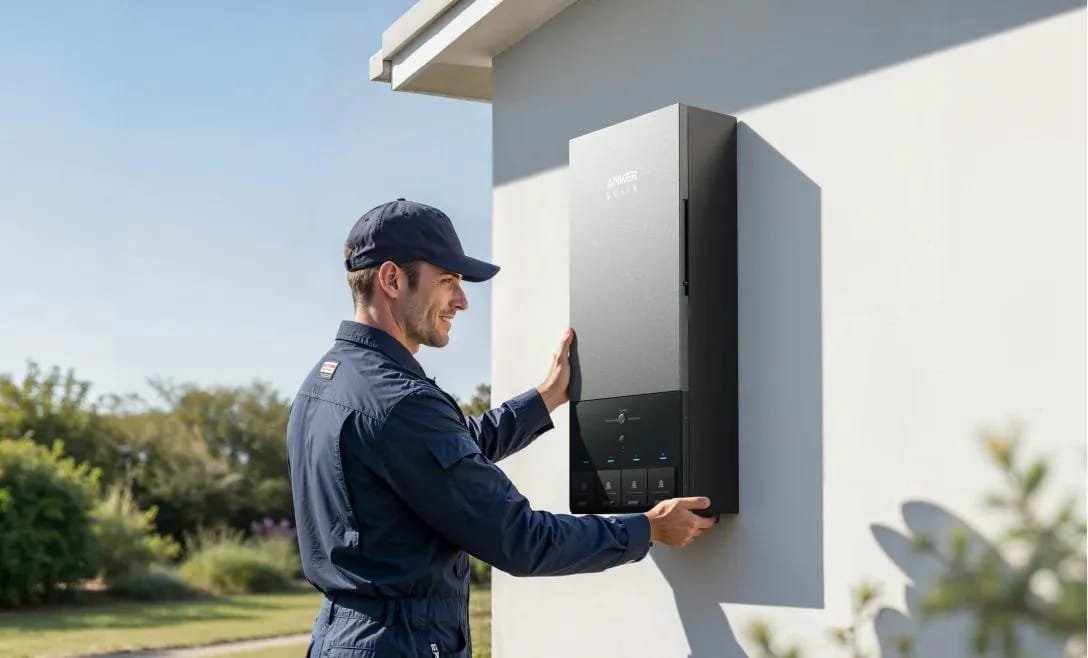
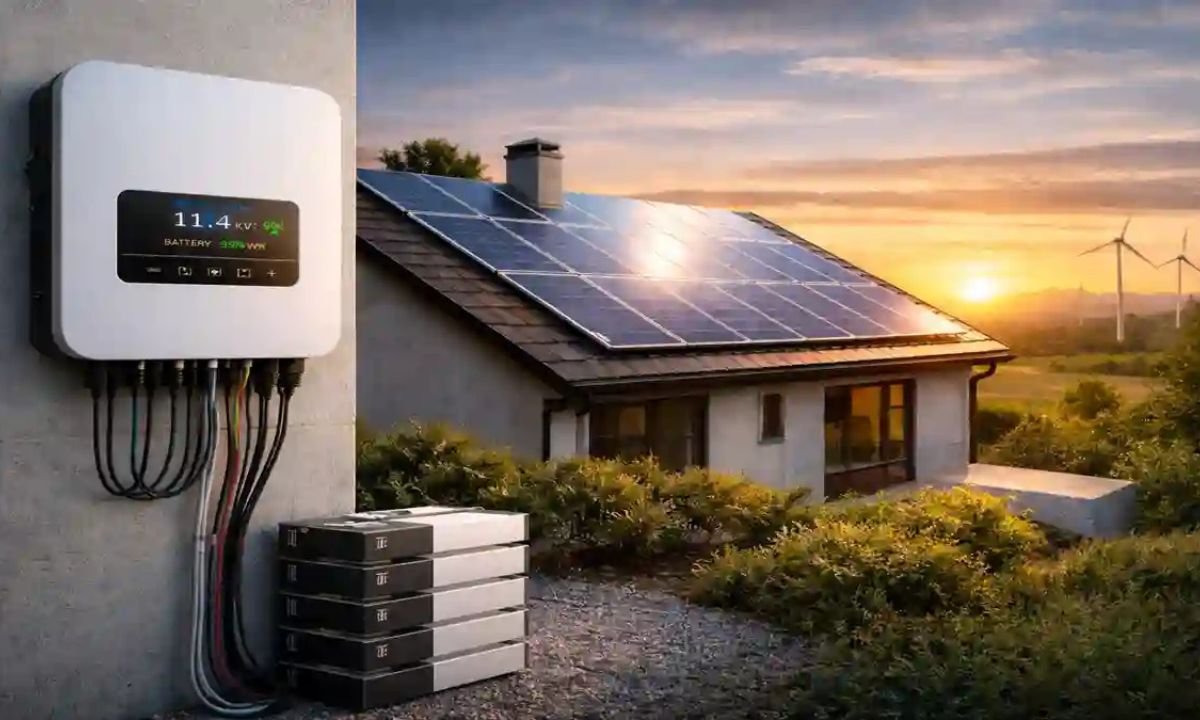
As Indian homes add more comfort appliances and backup expectations rise, capacity planning needs a closer look than before. A hybrid solar inverter must be chosen with real usage patterns in mind, especially when comparing anything from 3 kW to 10 kW. The right answer starts with understanding how your home actually uses power.
Let’s examine these usage patterns in detail.
Choosing the Right Hybrid Inverter Capacity for Heavy Home Loads
Choosing the right capacity is not only about total wattage. It also depends on how load demand, backup requirements, and future power usage change over time.
- Total Connected Load Isn’t the Same as Peak Load
Total connected load is the sum of all appliance wattages in a home. However, every appliance rarely runs at the same time. Peak load is the power drawn during the busiest usage hour. This matters more when sizing a hybrid solar inverter.
For example, using an air conditioner, refrigerator, and water heater together can increase the load. Yet the actual peak demand may still suit a mid-range inverter. Accurate peak load calculation helps avoid buying unnecessary capacity. It also reduces the risk of choosing a smaller system that struggles during heavy usage. This makes capacity planning more practical and cost-conscious.
- Matching 3kW, 5kW, or 10kW to Household Behaviour
Choosing between 3kW, 5kW, and 10kW depends on how a household uses power during busy hours. For homes with moderate power needs, such as lights, fans, basic appliances, and one AC, a 3kW hybrid solar inverter can be a practical choice. Households running multiple ACs or heavier appliances at the same time may need a 5kW option. Larger usage patterns, including pumps, cooling systems, and several high-draw devices, are usually better supported by a 10kW setup. The right capacity does not depend only on home size. It depends on daily habits, appliance timing, and how much load runs at the same time.
- Single-phase Load Distribution and Why it Matters
Most residential hybrid inverters work on a single-phase setup, which is usually enough for typical home requirements. However, correct capacity alone does not guarantee smooth performance. The way power is divided across household circuits also matters.
When high-load appliances such as air conditioners, geysers, pumps, or ovens draw power from one circuit, that section may face extra strain during peak hours.
This can affect inverter efficiency and backup stability, even when the overall system size seems suitable. That is why circuit-level load review is important. It helps homeowners plan safer, balanced, and more practical inverter sizing for daily use needs.
- Battery Compatibility and Backup Priorities
A hybrid solar inverter performs best when it is matched with the right battery type and backup needs. Many systems support lithium-ion and lead-acid batteries, which gives homeowners flexibility during planning. However, the bigger question is what the battery should support during a power cut.
Some homes may need backup for lights, fans, Wi-Fi, and essential kitchen use. Others may expect support for air conditioners, pumps, or larger appliances, too. This choice affects inverter capacity, battery bank size, and overall cost. Defining backup priorities first helps homeowners compare wattage more practically and choose a setup that suits their daily needs well.
- Efficiency and MPPT Performance Over the System’s Lifetime
Maximum Power Point Tracking (MPPT) performance decides how well a hybrid solar inverter converts available solar power into usable energy. Panels receive changing sunlight throughout the day, so the charge controller must track the best power point efficiently. Even a small efficiency gap can matter across a 10 to 15-year system life.
Over time, it may influence total energy output, battery charging, and savings. That is why buyers should compare rated efficiency figures before choosing a model.
Inverters with similar kW ratings may not deliver identical performance under real sunlight conditions. A careful comparison helps homeowners understand long-term value beyond basic capacity numbers.
Choose a Solar Backup System With Long-term Load Planning
Choosing the right hybrid solar inverter starts with understanding your household’s present and future power needs. The aim is not to select the highest capacity, but to match the system with actual usage patterns.
Energy solution providers like Eastman Auto & Power Limited offer 3kW, 5kW and 10kW options, each with a 10-year warranty. These ranges can help homeowners compare capacity against peak appliance usage. For eligible residential installations, the PM Surya Ghar Muft Bijli Yojana may provide a subsidy of up to ₹78,000, while homeowners should also check if additional state-level subsidies are available. Before finalising a system, assess peak-hour load, compare suitable inverter capacities and review applicable subsidy benefits to plan the installation effectively.