






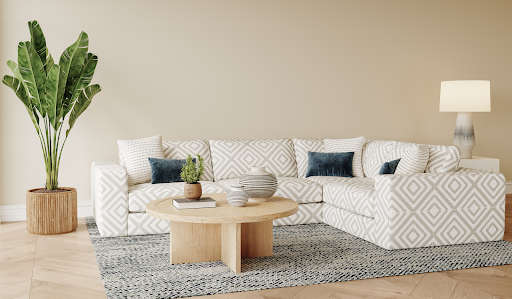
The living room is one of the most important areas of any home. It is the space where families gather, guests are welcomed, and everyday relaxation takes place. Because this room often serves multiple purposes, selecting the right furniture is essential for creating a comfortable, functional, and visually appealing environment. Choosing living room furniture involves more than simply picking pieces that look attractive. It requires careful consideration of space, comfort, durability, and personal lifestyle.
Understanding what to look for when choosing living room furniture can help you make informed decisions that improve both the practicality and appearance of your living spaces.
Things to Consider When Selecting Living Room Furniture
Understand the Size and Layout of the Room
Before purchasing any furniture, it is important to evaluate the size and layout of the living room. A well-planned layout ensures that the room feels open, balanced, and comfortable rather than crowded or awkward.
Start by measuring the available floor space and noting the location of windows, doors, and walkways. This helps determine the size and placement of larger furniture items such as sofas, beds, and coffee tables.
Key considerations include:
- Ensuring there is enough walking space between furniture pieces
- Avoiding oversized furniture that overwhelms the room
- Positioning seating to encourage conversation and comfort
- Maintaining a balanced arrangement throughout the space
A thoughtful layout helps maximise both comfort and usability while creating a welcoming atmosphere.
Read Also: Role of Furniture Drawings in Streamlining Interior Design Workflows
Prioritise Comfort and Functionality
Living room furniture should support everyday activities such as relaxing, entertaining guests, watching television, or reading. Comfort should always be a priority when selecting seating and other furniture pieces. Sofas and chairs should provide proper support while allowing people to sit comfortably for extended periods. Cushion firmness, seat depth, and back support are all important elements to consider.
Functionality is equally important. Furniture should serve a purpose and support the way the household uses the space. When comfort and functionality are prioritised, the living room becomes a space that truly supports everyday living.
Choose Durable Materials
Furniture is an investment that should last for many years. Selecting high-quality materials helps ensure durability and long-term value. Different materials offer different benefits depending on lifestyle and usage. Investing in durable materials can reduce the need for frequent replacements and help maintain the appearance of the furniture for many years.
When evaluating materials, it is important to consider several key factors that affect both durability and practicality. The material should be able to withstand daily wear and tear, especially in frequently used areas of the home. Ease of cleaning and maintenance is also essential, as furniture that is simple to care for helps maintain a tidy and comfortable living space.
Think About Storage Needs
Storage is often overlooked when selecting living room furniture, yet it plays an important role in maintaining an organised space. Furniture that includes storage features can help keep everyday items neatly arranged.
Examples of furniture that provide useful storage include:
- Cabinets for storing media devices and accessories
- Shelving units for books and decorative pieces
- Storage ottomans that offer hidden compartments
- Sideboards for additional organisation
These solutions help reduce clutter by providing organised spaces to store everyday items practically and efficiently.
Evaluate Flexibility and Adaptability
A living room may need to accommodate changing needs over time. Flexible furniture can adapt to different situations, such as hosting guests, rearranging layouts, or updating interior styles.
Modular seating options allow homeowners to reconfigure seating arrangements depending on the occasion. Lightweight furniture pieces can also be moved easily when the room layout changes. Adaptable furniture ensures that the living room continues to meet the needs of the household as lifestyles evolve.
Focus on Quality Craftsmanship
High-quality craftsmanship is a key indicator of furniture that is built to last. Carefully constructed furniture not only lasts longer but also maintains its comfort and appearance.
When assessing quality, look for:
- Strong frames made from durable materials
- Secure joints and sturdy construction
- High-quality upholstery and stitching
- Smooth finishes and attention to detail
Well-crafted furniture enhances both reliability and overall value by combining durable construction with thoughtful design.
Final Thoughts
Choosing the right living room furniture requires a careful balance of style, comfort, functionality, and durability. By considering the size and layout of the room, prioritising comfort and practicality, selecting durable materials, incorporating smart storage solutions, and opting for flexible, adaptable pieces, you can create a living space that meets both your daily needs and long-term lifestyle changes.
Many of these considerations also apply when selecting furniture for other areas of the home, including king bed frames that provide essential comfort and structural support in the bedroom. Paying attention to quality craftsmanship ensures that your furniture not only looks appealing but also stands the test of time.
You May Also Like: Budget-Friendly School Furniture Options Without Compromising Quality