




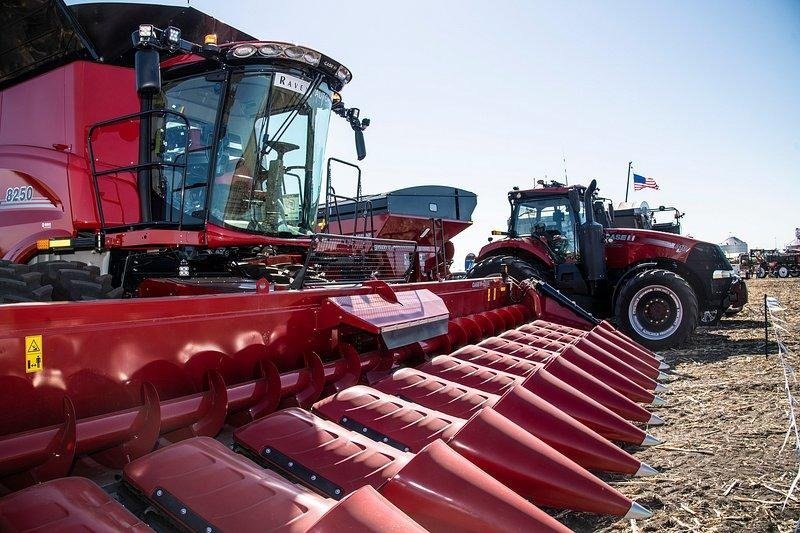
Hydraulic systems are at the heart of modern tractors, powering essential functions such as lifting, steering, and implement control. Without a properly functioning hydraulic system, even the most advanced machinery can struggle to perform efficiently. For farmers and operators, maintaining these systems is not just a technical requirement—it’s a key factor in ensuring reliable day-to-day operations.
Understanding how hydraulic systems work and how to care for them can prevent many common issues. With the right approach, operators can improve performance, reduce downtime, and extend the lifespan of their equipment.
How Hydraulic Systems Support Farm Equipment
Hydraulic systems operate by using pressurized fluid to transfer energy, enabling tractors to perform heavy-duty tasks with precision. Components such as pumps, cylinders, valves, and hoses must work together seamlessly to maintain consistent pressure and flow.
Any disruption in this balance—whether caused by contamination, leaks, or trapped air—can reduce efficiency. Recognizing how these systems function allows operators to identify problems early and maintain optimal performance.
The Importance of Fluid Quality
Hydraulic fluid plays a critical role in system performance. Clean, high-quality fluid ensures smooth operation and protects internal components from wear. Contaminated or degraded fluid, on the other hand, can lead to reduced efficiency and potential damage.
Addressing Air in Tractor Hydraulic Systems
Air intrusion is one of the most common issues affecting hydraulic performance. When air enters the system, it disrupts fluid flow and causes inconsistent pressure. This can lead to jerky movements, reduced lifting power, and increased wear on components.
Following a detailed Kubota hydraulic guide can help operators effectively remove trapped air and restore proper system function. Addressing this issue promptly ensures smoother operation and helps prevent long-term damage to the equipment.
Recognizing the Signs of Air Contamination
Symptoms such as unusual noises, delayed response from controls, and inconsistent hydraulic pressure often indicate the presence of air in the system. Identifying these signs early allows operators to take corrective action before performance is significantly affected.
Routine Maintenance Practices for Hydraulic Efficiency
Consistent maintenance is essential for keeping hydraulic systems in good condition. Regular inspections, fluid checks, and filter replacements help prevent common issues and ensure reliable performance.
Establishing a maintenance routine based on equipment usage and manufacturer recommendations can make a significant difference. By staying proactive, farmers can avoid unexpected breakdowns and maintain steady productivity.
Preventing Contamination and Wear
Keeping hydraulic systems clean is one of the most effective ways to extend their lifespan. Using proper filtration and ensuring that components are free from dirt and moisture helps protect the system from damage and maintain efficiency.
The Role of Expertise in Equipment Maintenance
While many maintenance tasks can be handled on the farm, certain situations require specialized knowledge and skills. Understanding when to seek professional assistance is an important part of effective equipment management.
Similar to how expertise is valued in other industries, such as construction projects discussed in the benefits of hiring skilled professionals for technical work, professional support in agriculture can ensure that complex issues are resolved correctly.
Combining Experience with Technical Knowledge
Operators who develop a strong understanding of their equipment can handle many maintenance tasks independently. However, combining this knowledge with professional expertise when needed creates a more effective approach to equipment care.
Industry Insights and Equipment Development
The agricultural equipment industry continues to evolve, with manufacturers focusing on improving performance, reliability, and user experience. These advancements influence how hydraulic systems are designed and maintained.
Industry developments, such as those highlighted in updates on tractor dealerships and equipment advancements, provide valuable context for understanding how machinery is changing. Staying informed about these trends helps farmers adapt their maintenance practices to modern equipment.
Adapting to Changing Equipment Standards
As machinery becomes more advanced, maintenance requirements may also evolve. Operators who stay updated on industry changes are better prepared to manage their equipment effectively and maintain high performance.
Practical Tips for Long-Term Hydraulic Performance
Maintaining hydraulic systems requires a combination of routine care and attentive operation. Simple practices, such as monitoring fluid levels, inspecting hoses for leaks, and addressing minor issues promptly, can prevent major problems.
Operators who take a proactive approach to maintenance often experience fewer disruptions and greater confidence in their equipment. This reliability is especially important during critical farming periods when downtime can have significant consequences.
Building a Preventive Maintenance Mindset
A preventive mindset focuses on avoiding problems rather than reacting to them. By prioritizing regular maintenance and staying attentive to equipment performance, farmers can ensure that their machinery remains dependable and efficient.
Conclusion
Hydraulic systems are essential to the performance of modern tractors, and their reliability depends on consistent care and informed operation. By understanding how these systems work, addressing issues such as air contamination, and maintaining clean and efficient components, farmers can keep their equipment running smoothly.
With a proactive approach to maintenance and a willingness to stay informed, operators can protect their investments and support long-term productivity. In agriculture, where efficiency and reliability are critical, well-maintained hydraulic systems play a key role in achieving success.